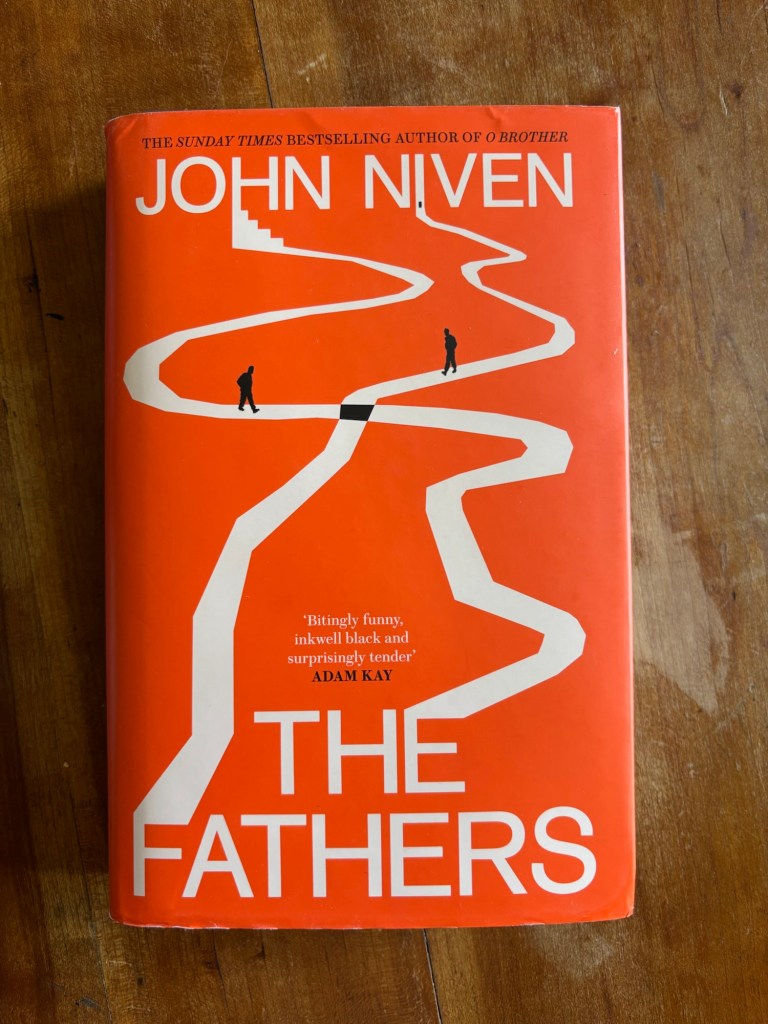
The Fathers: Rambling Review

A coincidence is all that’s necessary to set into motion matters of fortune and fate. What joys and tragedies are stirred as a consequence of experience? Two families each welcome their own baby boy, both born on the same day…and while meandering around the hospital, their fathers meet by chance. Friendships form, but not here…Dan and Jada couldn’t be more different, but when Dan’s world collapses, Jada becomes something of an enabler, and from there things spiral out of control in a pure ‘John Niven fashion’ that dropped my jaw more than thrice. ‘The Fathers’ is a top shelf addition to Niven’s body of work. 

This book had me laughing out loud multiple times, tear up on a few occasions, and with one moment I set the book to the floor and wept. I hadn’t been hit this hard since ‘The Blood of the Lamb’ by Peter de Vris. It’s a strange and liberating thing when art elicits an emotion you weren’t anticipating. I expect Niven will get me to laugh, think, and potentially cause me to shed a tear or two, but this was full-blown uncontrollable quiet weeping in the night. John is the kind of writer who conveys the human experience with such grace and grit, his work is nothing but the highest quality, and ‘The Fathers’ is his finest piece of fiction yet. 

My only criticism is that it had to end. This was such a pleasing read. From the heights to the lows beneath whatever you’d call ‘rock bottom’ of parenting, to a world of crime that ranges from petty to ultra violent, to the critique and commentary on class pitfalls and privileges, ‘The Fathers’ contains a range that keeps pages turning. The tone pivots from sentimental to wretched as quickly as one could read, and those moments are laid out in such a way…never thought I’d find myself laughing so hard at the description of a McDonald’s apple pie. 

      To break my heart with fiction is possible, but this book destroyed me. The obsessive ‘what-if’ moments that followed the tragedy is something that will trouble those knee-deep in grief. 

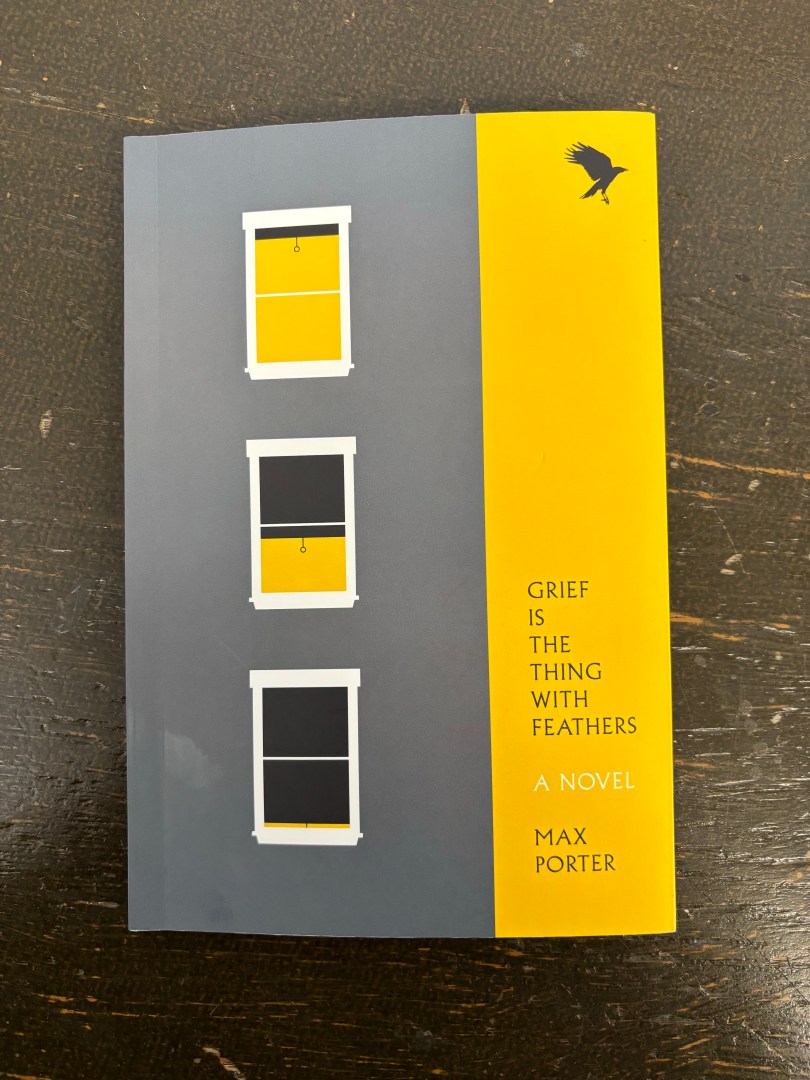
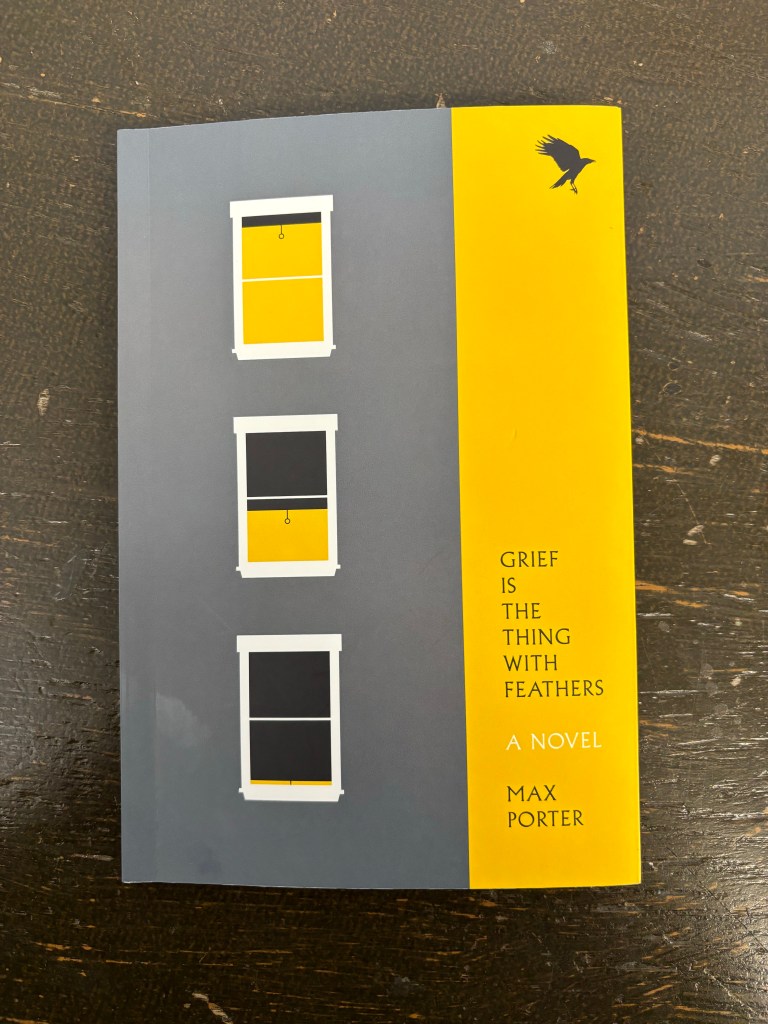
In another book that broke my heart, ‘Grief is the Thing with Feathers,’ a crow describes grief as an essential part of life, but to beware one’s dealings with grief do not dissolve into despair. Dan went beyond despair…finding a tunnel beneath his own rock bottom, and his character development surprised me. His mindset is as captivating as it is tragic. I thoroughly enjoyed ‘The Fathers’ by John Niven. I needed every bit of this book. 
Grief is the Thing with Feathers: a Rambling Review

Tragedy is the genre element that attracts me with the strongest gravitational pull. I live for stories that impact me with such force that I’m left doubled over in sorrow…makes me feel alive, and all that. But what of the aftermath? What of grief?

Most novels from modernity onward, have a tendency to include past events that haunt the present, making any future an impossible prospect. ‘Grief is the Thing with Feathers’ begins after the sudden and unexpected passing of an unnamed woman and does a great deal of perspective jumping between her widower, their two children, and a crow that visits and refuses to leave until our widower is no longer ‘helpless.’

The crow could’ve been any supernatural specter of sorts, but Max Porter’s decision to make this entity a crow reminds me of Poe’s ‘The Raven.’ Instead of encouraging madness in the face of loss, the crow seeks to comfort our widower by forcing him to deal with the discomfort in whatever dose he feels appropriate to administer in any given moment. The crow also seeks to protect the family from various demons (real or imagined) that would cause them to wallow in despair.

It reads more like a thematic collection of poetry than a traditional novel, but the narrative arch is solid, concise, and I feel like old friends with characters whose names are never given.

‘Grief is the Thing with Feathers’ is a fundamental exercise in loss, and is one of the most authentic expressions of grief I’ve read in fiction in some time. When the crow grants himself permission to leave, he refers to the boys as, “Connoisseurs…of how to miss a mother/My absolute pleasure” (110). In deriving pleasure in guiding them through grief, the crow makes clear his purpose: coaching on how to functionally live, without.

The novel concludes with the father and sons spreading ashes at a body of water. I was left broken by the line, “I said her name/The ashes stirred and seemed eager so I tilted the tin and I yelled into the wind/I LOVE YOU I LOVE YOU I LOVE YOU” (114). With this, I’ve learned that grief hits just as hard as tragedy, itself. It lingers long after the explosive event that changes lives, and shapes you into something different than what you were, before.

‘Grief is the Thing with Feathers’ is the second book to make me cry, this year.

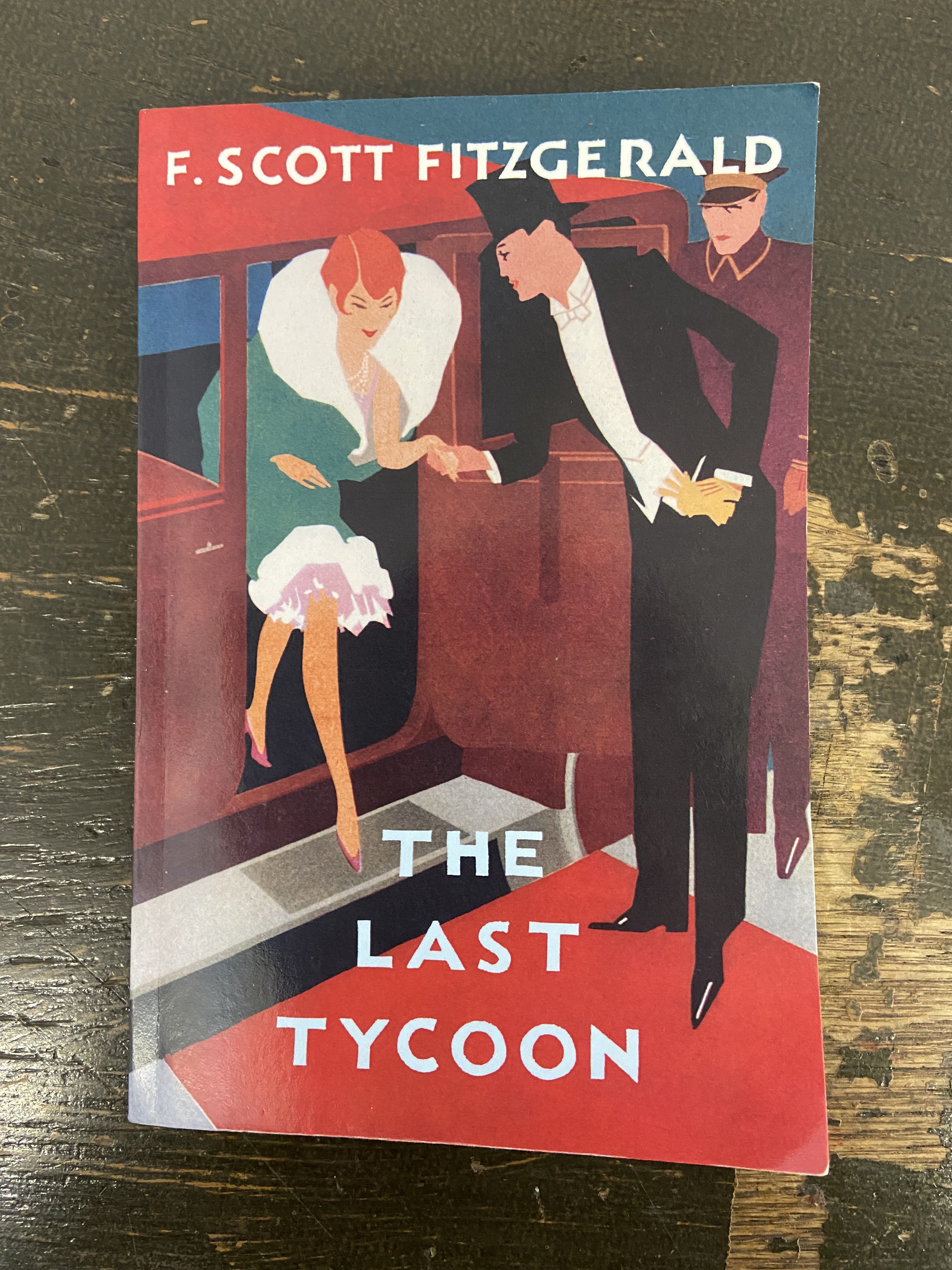
The Last Tycoon:Fitzgerald, Nostalgia, and Writing

The prose of F. Scott Fitzgerald is intoxicating. It’s been a decade since I studied The Great Gatsby at Ohio State, and for the time being I’ve decided to put off rereading that novel until the 100-year anniversary of its initial publication. The Last Tycoon appeals due to the lure of a final novel, one last attempt to satisfy an itch with something new. The unfortunate truth is that the unfinished novel reads like a draft. It jumps on a dime between first and third person, and seems so rough in the early pages that I contemplated whether or not to finish it.

            Monroe Stahr is an elite Hollywood producer who meets Kathleen Moore about halfway through the novel. The trademarked romance of Fitzgerald’s style captivates from that point onward, in spite of the questionable motives that attracts Stahr to Moore in the first place (her looks remind him of his deceased wife). Though the romance fizzles out as Kathleen is to marry another, Monroe carries on and the novel ends rather suddenly due to the death of the author and editorial overreach to reel in the narrative while maintaining a sense of conclusion while there is still quality material.

            Stahr carries the weight of terminal illness, and pushes himself to keep working at the pace he maintained while healthy. It reminds me of a hyper-masculine work culture that romanticizes burnout and exhaustion over questioning why one lives in such a way. “Fatigue was a drug as well as a poison and Stahr apparently derived some rare almost physical pleasure from working lightheaded with weariness…a perversion of the life force he had seen before but he had almost stopped trying to interfere with it…a hollow triumph of killing and preserving the shell,” (110) seems all too commonplace in modern workplace culture. It isn’t ‘rare’ at all in the sense that keeping oneself preoccupied prevents them from critically looking inward. And yet, it’s romantic escapism that reminds one that they are alive…as, “the little trip they made was one of the best times he had ever had in life. It was certainly one of the times when, if he knew he was going to die, it was not tonight.” (112)

            The theme of nostalgia runs through the work of Fitzgerald in such a way as to indulge in the waters in which one will inevitably sink, and reveal it for the comforting lies it tends to offer. The notion that one could have, “passionate loyalty to an imaginary past.” (119) defines Fitzgerald’s work and life. Reconstructing the past seems to be the only future a great many of us can imagine. How good was it really…? And yet…

            One thing literature does is serve as a reminder how much or little things change over time. The tension between Hollywood producers and writers has brought on two writers’ strikes in the twenty-first century. All the conflict about living wages and being able to simply make ends meet while the profits of their labor makes others rich seems to be as old as the establishment of film making as big business. A line from The Last Tycoon shows how much the same it was then, “Writers…they’re the farmers of this business…They grow the grain but they’re not in at the feast. Their feeling toward the producer is like the farmers’ resentment of the city fellow.” (121)

            Again, The Last Tycoon felt like a draft and not a complete novel, but it still managed to contain traces of magic that made it worth the read. I would’ve preferred a world where Fitzgerald lived long enough to finish this one to his standards, but I’m grateful for this glimpse into his process, as it reminds me of Trimalchio.

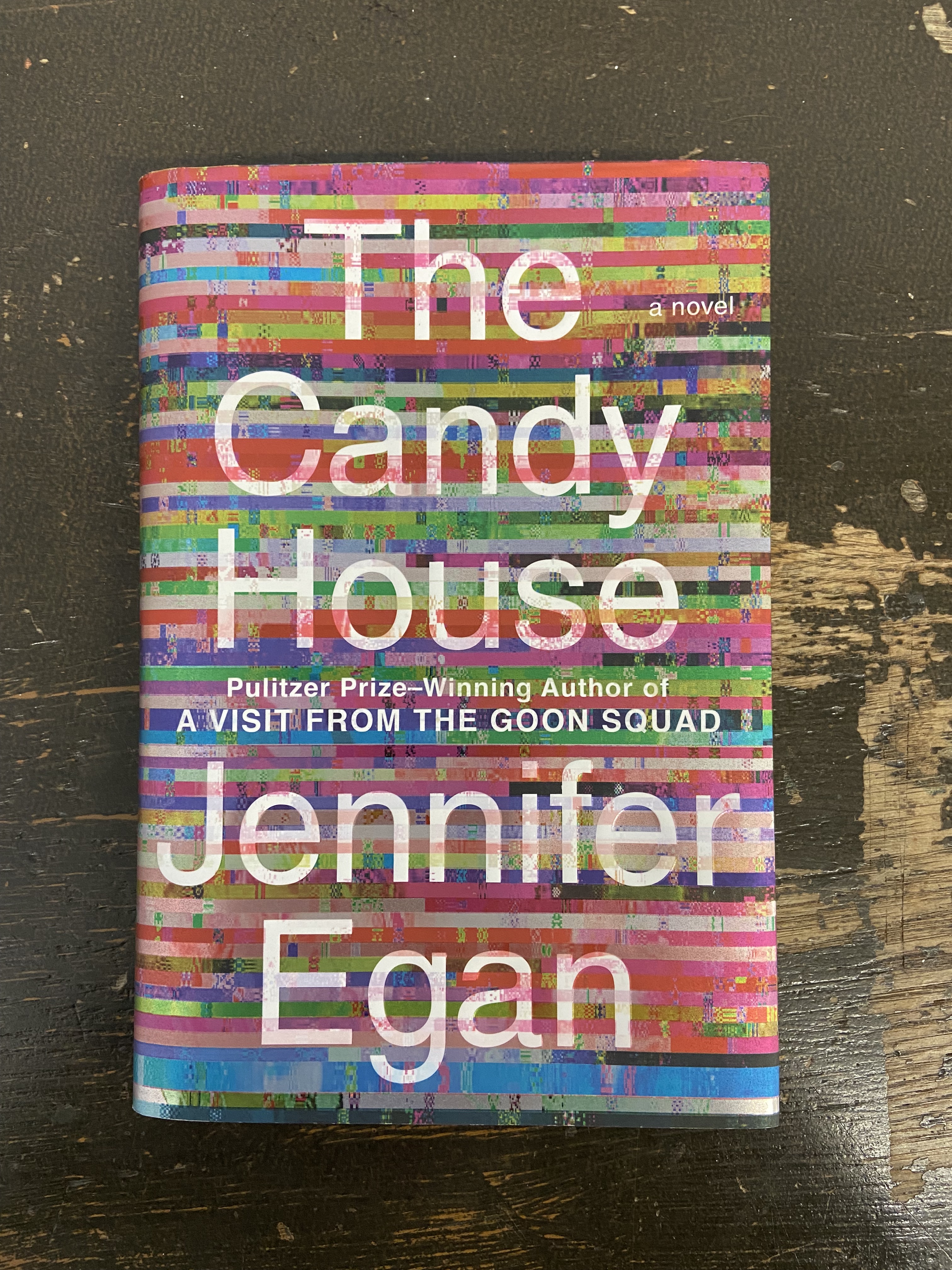
The Candy House:Rambling Book Review

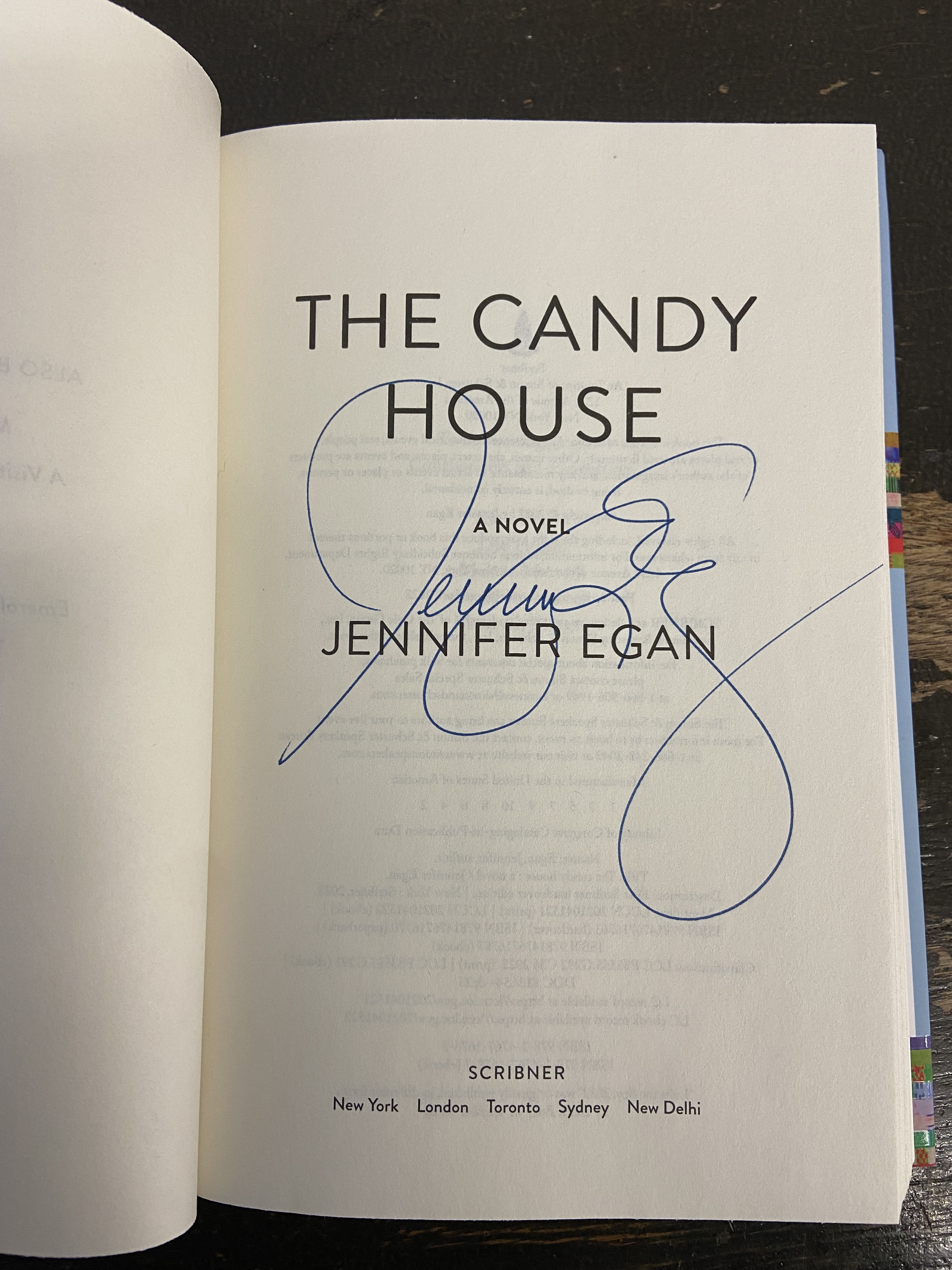
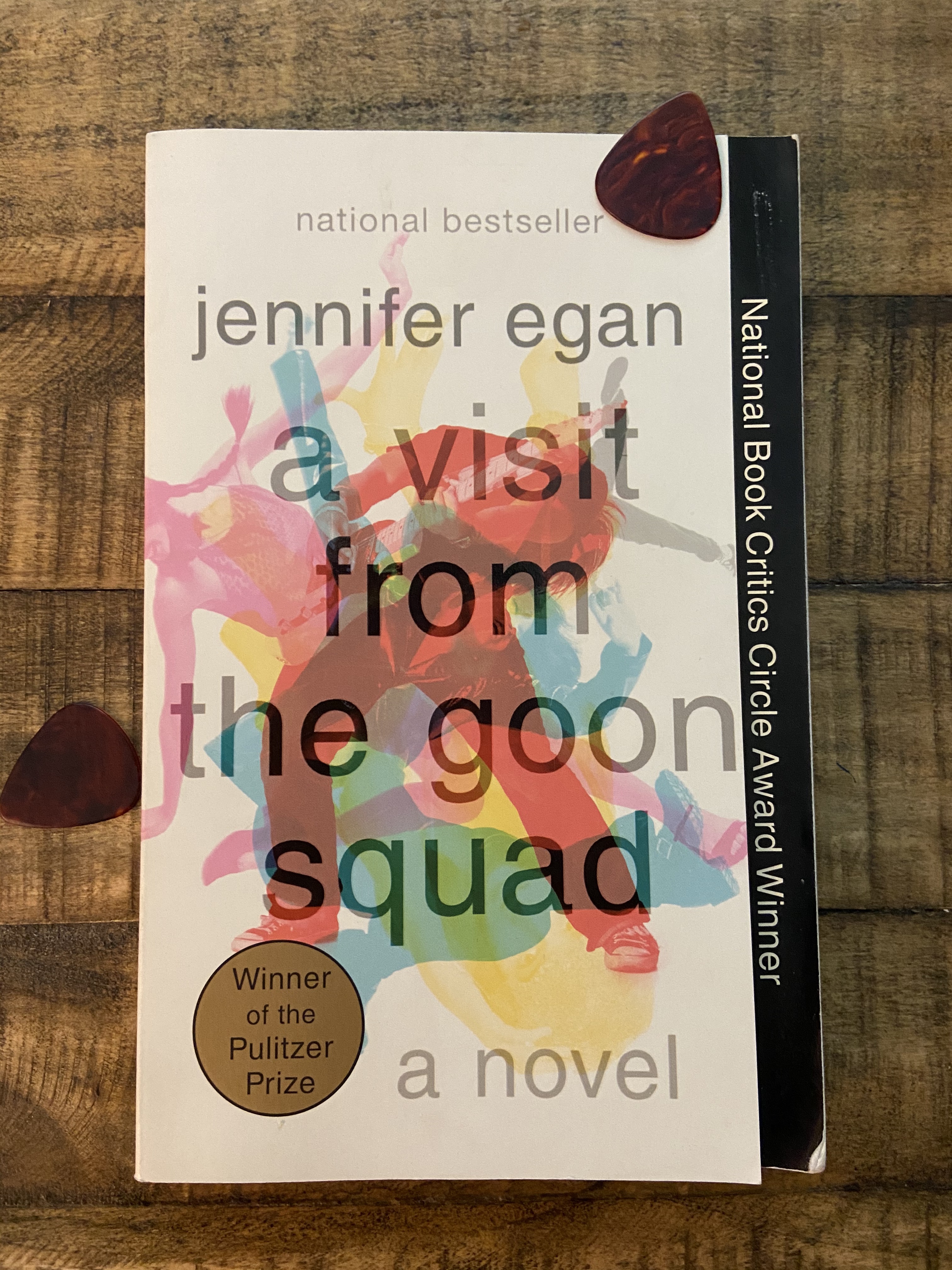
Hesitancy kept me from Jennifer Egan’s work for far too long. I’d been introduced to various chapters of A Visit from the Goon Squad at the Ohio State University in 2014, and didn’t glance back until a peer told me it was his favorite novel. I bought a paperback copy of the Pulitzer winner, put it in my bookcase, and let it ferment until the day came that I needed it…and when that day came I was so grateful for it. I was angry with myself, too, for having neglected it in the abyss of my hypothetical TBR pile. It helped to spark a project I’m still working on.

A follow-up/companion novel was published in 2022. The Candy House revisits some characters from A Visit from the Goon Squad, introduces others, and spans through lifetimes. This novel has similar features in that the narratives are fractured, jumping from characters and through time, all while crafting a cohesive world where the focus is no longer on the human follies that take shape in the music industry, but on a piece of science fiction where individual psychology forges a connection between the reader and every person on the page. Egan’s prose had me placing the book down at times to allow a line to linger over my thoughts. Its brokenness is a feature, not a bug, and as art, it’s a most beautifully written piece of work.

Depression had taken me away from reading in 2022. I sought to purchase The Candy House the day it was released, but my local bookstore didn’t have it on hand. I went to Twitter and made some noise about it. I wasn’t sure what this would accomplish, but Jennifer Egan personally reached out to me to ask which store didn’t have it. I felt as though I’d gotten someone in trouble, but gave the details anyway. She sent autographed copies to my local shop, and the shop reached out to me since I had inquired about it. I was so excited that I took it home, sent pictures and the story to my friends, and let it sit in my bookcase until December. Once I had found the wherewithal to read it, I felt revitalized by the first chapter/story. It’s all so rich with human honesty. Tension and drama I associate with familial ties are woven throughout, all with a drop or two of science fiction that doesn’t overcompensate…no; it drives the story forward without being over the top. It’s a modest vehicle for that which alienates us and brings us together in the same sweeping gesture/function.

I’m sorry if this seems rambling. It’s hard to pin down that feeling when literature makes you feel alive, but this book has done it for me. I can’t recommend The Candy House enough. I hope I’m not going too far in saying this, but it was better than Goon Squad…on that note…read them both.

My Visit with the Goon Squad:Book Review

In 2014 I was assigned the first five short stories (chapters) from Jennifer Egan’s A Visit from the Goon Squad. Having been involved with music, I found one instance in the text that I didn’t think was historically accurate, finished my studies, and moved on. It wasn’t until I had started playing with a band on campus that a peer redirected me toward Egan’s novel that I opted to give it another chance…and by another chance I mean I bought a copy and let it reside in my bookcase for a few years. I’ve since moved, got married, had a child, and have read quite a few other books. In 2021 I’ve started thinking about music again, and as I consider my options I decided it was time to give Egan’s Pulitzer Prize winner the chance it deserves.

On one hand, I wish I hadn’t waited so long. On the other hand, I needed this read now. It’s a moving book that captures the human element in a way that tends to be background noise in stories in orbit around the music business. A lineal narrative is withheld for time jumping aesthetics. Each short story is centered on a specific character during a particular moment in history. Some of these characters are vessels for highlighting someone else’s trajectory, and aren’t referenced again, but it’s through the glimpse each story offers that provides this point of contact that makes the world so real. Music producers and A&R people are more than two-dimensional figures for satirical abuse. Hopes and fears are presented through the veil of toxic personalities, and I find myself relating to these characters because of it. They’re imperfect people who ache with want, and I see myself in them. Between each fragmented chapter, I found myself taking a breather. I’d put the book down, sigh, and think, ‘damn…that’s good literature.’ I don’t feel that way with every book, so forgive my abuse of the five star system(it just so happens that I enjoy reading)…this novel is nothing short of absolutely fantastic.

With this read, I’m breaking the ice on a project that I’ve been considering for quite some time. This research is a starting point from which I hope to craft a novel, or possibly a series if I can make that much happen. It feels good to be inspired…that’s how good Egan’s novel is. I’m looking forward to her followup, scheduled for release in April, 2022, The Candy House.

The Little Demons Inside: A Book Review

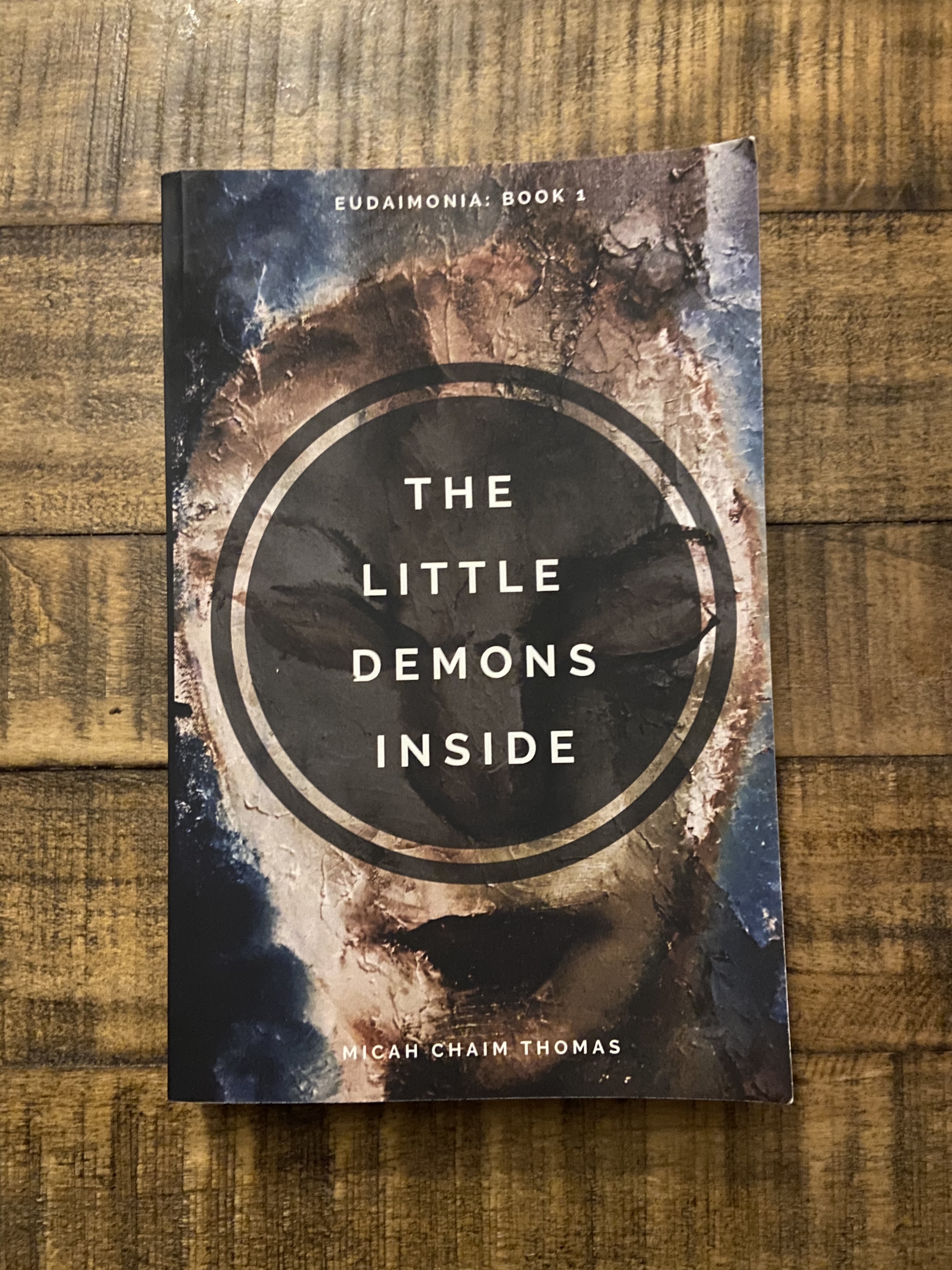
In a story that follows multiple people, I found myself knee deep in personal reflection. The Little Demons Inside by Micah Chaim Thomas supplied me with a full range of emotion through clear, thoughtful prose. He’s created a story world that is all too real. It’s not a place I want to live, but I’m afraid we may occupy a version of it. 

The book opens with fire and action, we’re given chemistry that lingers and becomes romance, and the horrors of corrupt people with power threaten us from all angles. The writing is strong, transitions are fluid, and the characters are fleshed out people who have brought me to care. 

Various characters, coupled with the narrator offer personal insight that critiques human nature with modern technology. As we’re still breaking the ice, I caught a line that seems a familiar thought to me. While describing smartphones, “You see, these narcissism toys, they keep us looking at the surface, they keep us from searching inward” (72). What we find by the end of the novel is that internal vision…and it’s bleak. The constant cultural conditioning to be the best little cog you can be is only overshadowed by a dream where your digitized narcissism is harvested for profit, leaving the subject apathetic or depressed. As with social media, you are the product. The algorithm figures you out, and your own tendencies become the fruit for an advertising campaign. The story doesn’t beat you over the head with this, but it’s where I found myself.

Though the darkness of the philosophy wants to exist in a vacuum, Thomas offers various insights to humor and humility that shines through. We’re left with a quality novel that fulfilled my expectations in that I was both made to think, and entertained. 

On reading American Moor

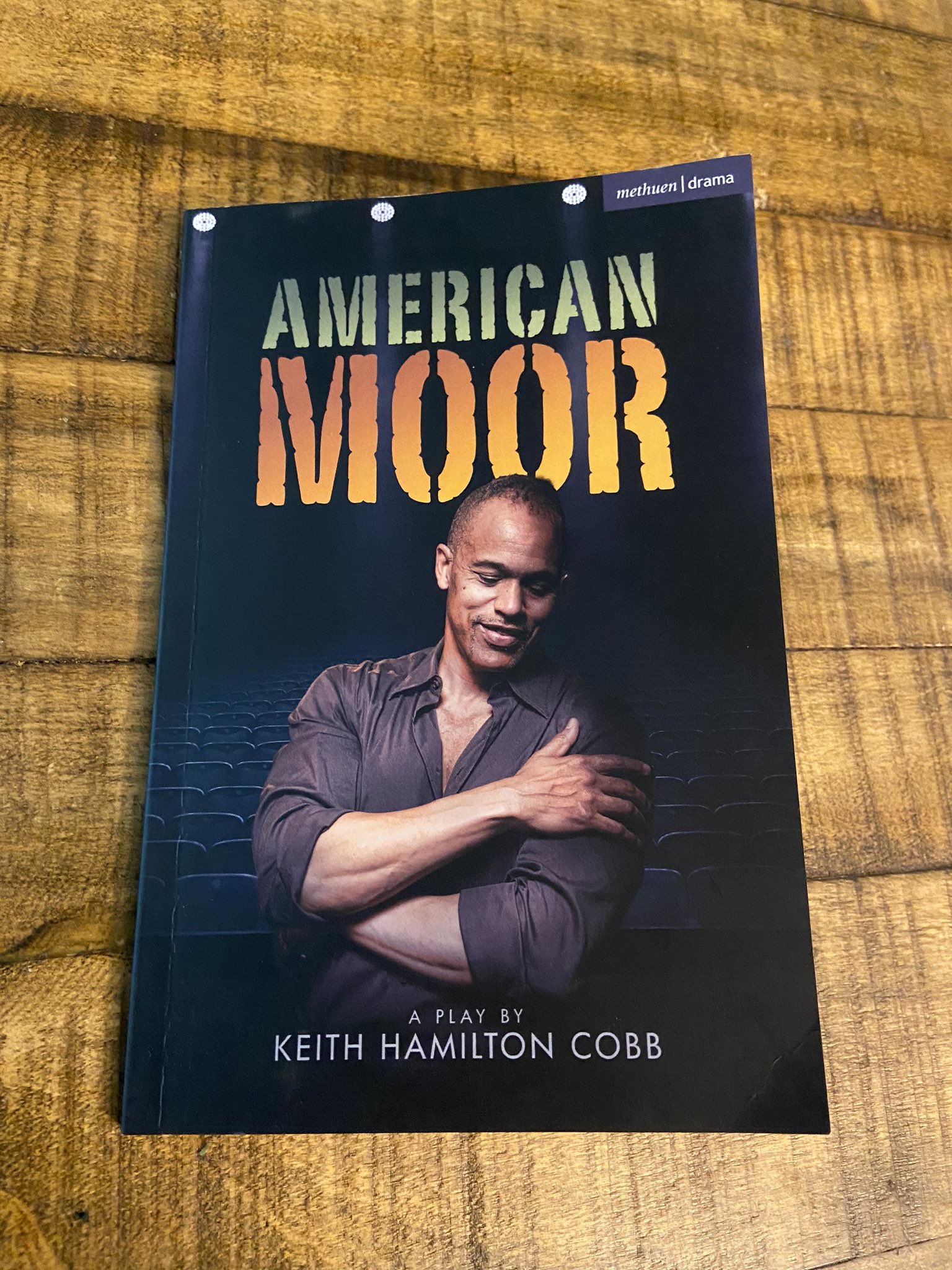
I’ve held out on reading American Moor by Keith Hamilton Cobb, hoping to catch it live. The show had toured extensively, and I planned to see it if it ever landed somewhere in driving range. With the pandemic and the publication of the text as a paperback, I decided to read it on the page. It’s the first play I’ve read outside of Shakespeare since college.

Keith Hamilton Cobb plays a Black actor auditioning for the role of Othello. He’s the only person to appear on the stage, while the voice of a director can be heard when they interact with each other. Cobb speaks to the audience and director, often separately. He goes through his prepared monologue as he feels appropriate, and finds disagreement with a director who thinks he knows better. Tension is exposed as Cobb tells the audience what he thinks and feels in these situations where one plays nice to get at an opportunity. In pushing back against the director, the actor states, “Nobody ever plays the devil’s advocate. They play their own advocate, and hide behind that stupid idiom to avoid having to take responsibility for it” (30).

There’s pages of raw outpouring of emotion from the actor. Context, historical analysis, and personal insight all contribute to Cobb’s message on race and Shakespeare’s Othello. “Ya see, for you, at best, Othello is like your little exercise in understanding. You think you get him… you can commiserate, you have empathy for his condition. No you do not… there is nothing more infuriating that white folks actin’ like they know your story well enough to tell it without your help” (40-41).

This read left me with a lot to think about. Cobb’s insight spells out clearly, effectively, and with anger the weight of racism in artistic spaces. Every point hits hard, and the overall feeling I took away was one of contemplation. I can’t recommend this enough. American Moor by Keith Hamilton Cobb is a powerful text that has brought me to reflect upon my own biases. American Moor


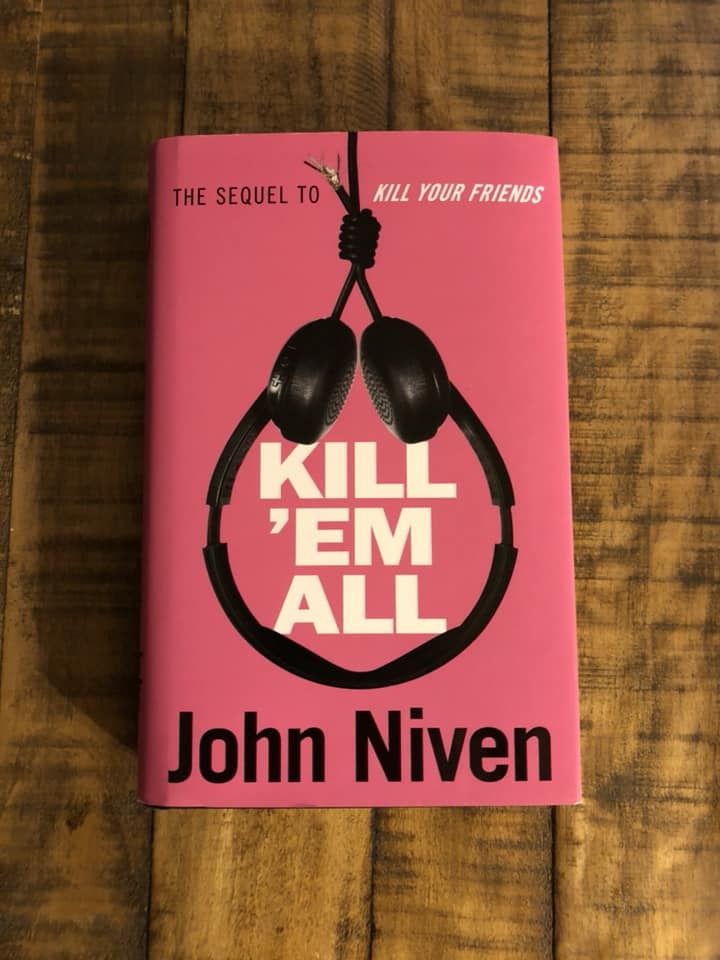
Kill ‘Em All: Book Review

Steven Stelfox returns in the new John Niven novel, Kill ‘Em All. It’s been twenty years since the rampage that takes place in the pages of Kill Your Friends, and if anything Stelfox is all the more sordid and bloodthirsty. Monetary success has driven him beyond excess, and to new lows at every pass. He muses that the world is, “A place where ambition still outstrips talent… Where the kind and weak are ripped apart like loaves of bread” (327). He admits early on that regardless of what’s to come he will not grow from the experience. His heart isn’t in the right place, if there’s a heart at all.

The year is 2017. Trump is taking office in the opening pages while Stelfox is presented with a job opportunity. He has settled into the luxuries of light retirement, with the occasional gig as a consultant for music industry big wigs. On this occasion a pop star is being blackmailed for his activities as a sexual predator who preys on children. With the dawning of the era of ‘fake news’ Stelfox takes control of the situation, spins it into something much darker, before he burns everything to the ground… all while making himself a profit.

I don’t want to give much away, so I won’t. Kill ‘Em All is the most wretched fun I’ve had in a long time. Niven never disappoints, and Stelfox is his most satirical creation, a modern vice figure who tells the audience just enough to keep them guessing. It’s blatantly offensive. I can’t recommend this book to everyone. It’s not for everyone. But if you’re looking for something ugly I’d start with Kill Your Friends, then move on to Kill ‘Em All.

44032496_10210992747008142_7317147404929597440_n

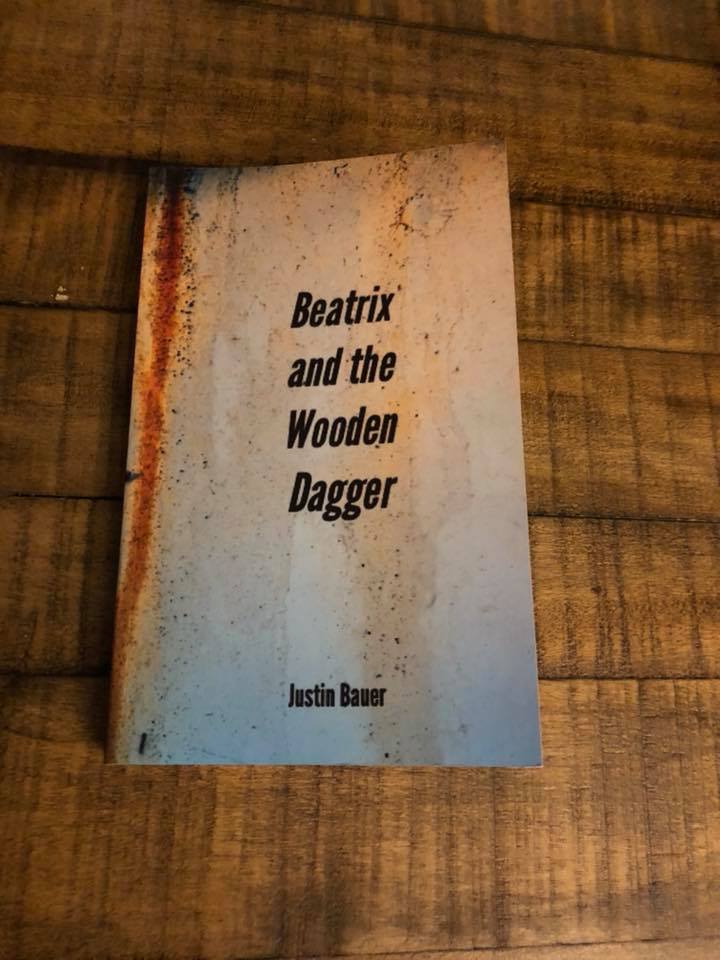
Beatrix and the Wooden Dagger: What’s Up With the Prop?

What’s the deal with the wooden dagger? It doesn’t appear anywhere in the text, so why is it in the title? What does it have to do with the story? The answer has to do with medieval theatre and use of props in character development. Characters in the medieval morality plays were often named for traits they were meant to embody. The vice figure was one of comic relief, meant to tempt and bring folly towards characters of virtue or other such positive traits. The vice often turns to the audience, and delivers lines by breaking the fourth wall. This brings about an inclusion so that the audience is in on the misdeeds.

They would carry a wooden dagger on stage. This prop was meant as a direct gesture to inform the audience, ‘Hey! I’m the villain.’ By the Renaissance, Shakespeare had dropped the prop, but perfected the role of vice in Richard III and Iago of Othello. These characters turned to the audience, told them of the intent, and then turned back to the story world with their malice in practice. A contemporary version of this that has resonated with audiences would be comic book antihero Deadpool, or average politician Frank Underwood in House of Cards.

40293634_1952187111524705_6374020166375702528_n

That’s my aim with Beatrix. She’s an antihero of sorts, who wants to fill you in on her thoughts and intent as she does whatever her wretched heart desires. The book consists of five stories that span over the course of her life, and plays with time. It’s framed with bits of the thriller, cultural satire, and dysfunctional family drama.

That’s the deal with the wooden dagger. I framed this character after the many vices I’ve come across, and hope to turn you off to humanity with her antics. If you’re still with me, give it a shot! 

As always, thank you for your time.

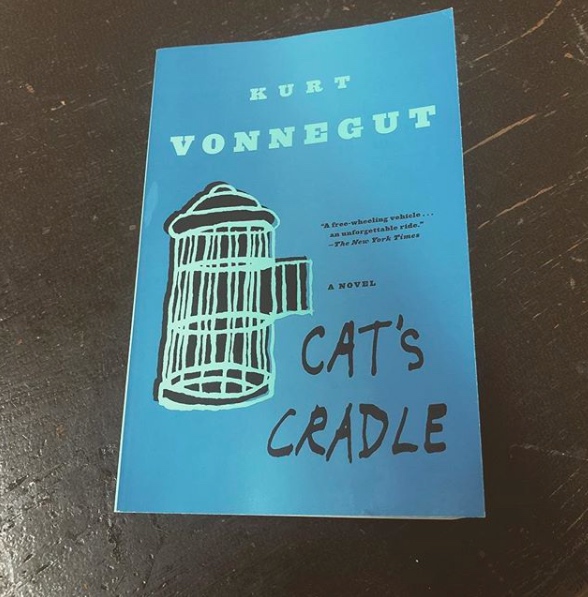
Cat’s Cradle: Book Review

Vonnegut is one of those authors I’m surprised was never assigned during my time as an English major. I did spend a good deal of time studying Renaissance drama and folklore, but I thought my time in classes that emphasized novels of the 20thcentury would’ve provided me with the likes of him and Atwood. As with Atwood, I would delve into their works after my time in the classroom.

Cat’s Cradle entertained, as I found the ride to have gone through unexpected turns. Even with science as an underlying subject I wasn’t expecting the sci-fi elements that emerged later in the book.

The juxtaposition of science fiction elements with the political/religious commentary allowed for some delightful satire. Some of my favorite passages involved the folly of American prejudice as human condition, and capitalism gone too far. One such passage reads,

“I guess Americans are hated a lot of places.”

People are hated a lot of places. Claire point out in her letter that Americans, in being hated, were simply paying the normal penalty for being people.” (98)

Another passage that caught my eye…

“The hand that stocks the drug stores rules the world. Let us start our Republic with a chain of drug stores, a chain of grocery stores, a chain of gas chambers, and a national game. After that, we can write our Constitution.” (285)

The book contains casual racism and sexism, which I’ve come to expect from male authors of that era. If you can get past that it’s a brilliant read. Much like Atwood, I’ll be reading more Vonnegut.

Screen Shot 2018-09-22 at 9.34.38 PM