I’ve spent most of my life in the Columbus area. Writing was my first passion, then I found the drums. My performance resume ranges from heavy metal to musical theatre. I’ve earned an Associate in Music Business from Hocking College, and a Bachelor of the Arts in English Literature from The Ohio State University.
I’m an enthusiast of Shakespeare, Fitzgerald, and dark comedy/satire. I read a wide variety of literature, and write reviews/criticism of music, film, traditional and independently published books, in addition to whatever else I may fancy at any given moment.
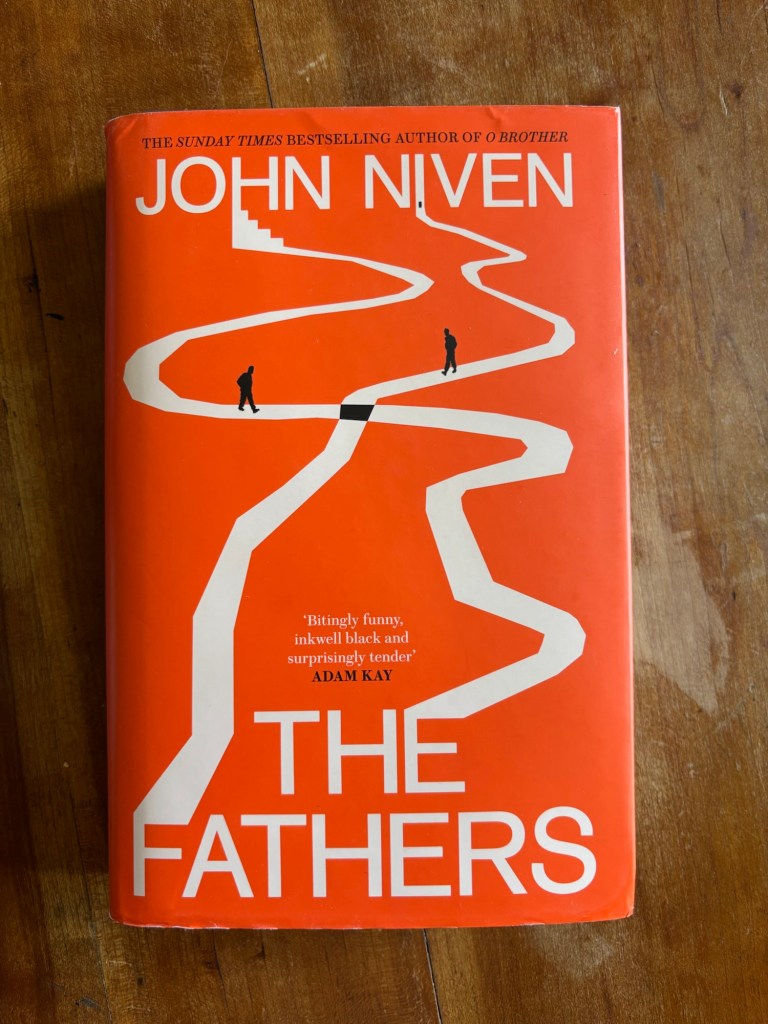
A coincidence is all that’s necessary to set into motion matters of fortune and fate. What joys and tragedies are stirred as a consequence of experience? Two families each welcome their own baby boy, both born on the same day…and while meandering around the hospital, their fathers meet by chance. Friendships form, but not here…Dan and Jada couldn’t be more different, but when Dan’s world collapses, Jada becomes something of an enabler, and from there things spiral out of control in a pure ‘John Niven fashion’ that dropped my jaw more than thrice. ‘The Fathers’ is a top shelf addition to Niven’s body of work.
This book had me laughing out loud multiple times, tear up on a few occasions, and with one moment I set the book to the floor and wept. I hadn’t been hit this hard since ‘The Blood of the Lamb’ by Peter de Vris. It’s a strange and liberating thing when art elicits an emotion you weren’t anticipating. I expect Niven will get me to laugh, think, and potentially cause me to shed a tear or two, but this was full-blown uncontrollable quiet weeping in the night. John is the kind of writer who conveys the human experience with such grace and grit, his work is nothing but the highest quality, and ‘The Fathers’ is his finest piece of fiction yet.
My only criticism is that it had to end. This was such a pleasing read. From the heights to the lows beneath whatever you’d call ‘rock bottom’ of parenting, to a world of crime that ranges from petty to ultra violent, to the critique and commentary on class pitfalls and privileges, ‘The Fathers’ contains a range that keeps pages turning. The tone pivots from sentimental to wretched as quickly as one could read, and those moments are laid out in such a way…never thought I’d find myself laughing so hard at the description of a McDonald’s apple pie.
To break my heart with fiction is possible, but this book destroyed me. The obsessive ‘what-if’ moments that followed the tragedy is something that will trouble those knee-deep in grief.
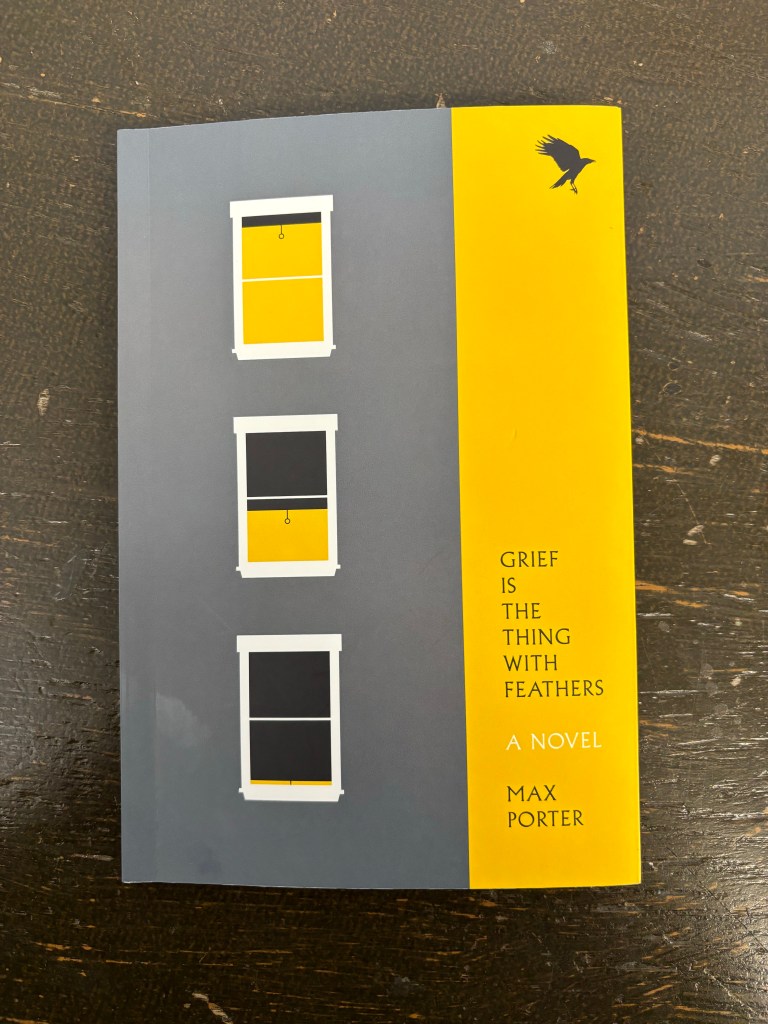
In another book that broke my heart, ‘Grief is the Thing with Feathers,’ a crow describes grief as an essential part of life, but to beware one’s dealings with grief do not dissolve into despair. Dan went beyond despair…finding a tunnel beneath his own rock bottom, and his character development surprised me. His mindset is as captivating as it is tragic. I thoroughly enjoyed ‘The Fathers’ by John Niven. I needed every bit of this book.
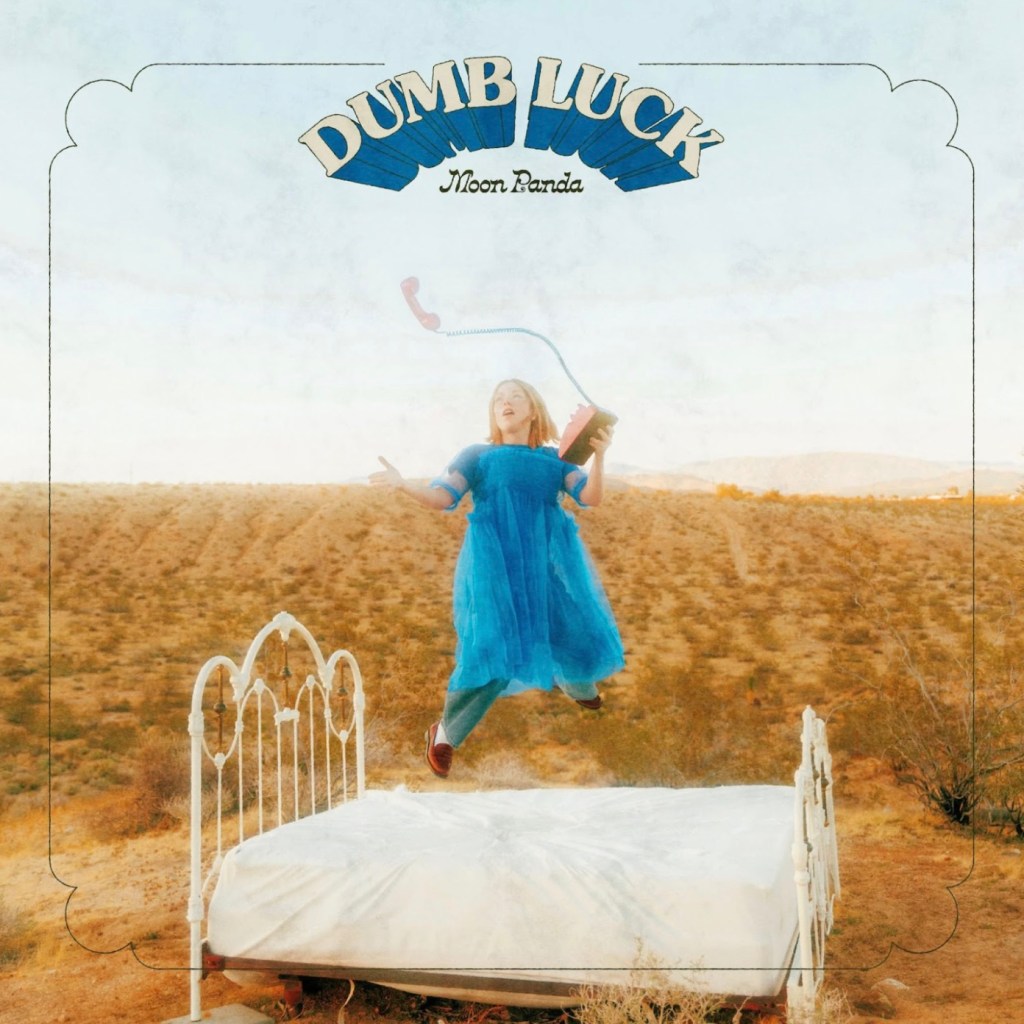
A lovely day with relaxing prospects doesn’t tuck you in. Dumb Luck, the new album from indie pop collaborative, Moon Panda, picks up the listener, dusts them off, and prepares them for an adventure that goes beyond the incredible. The music provides the kind of soundtrack to a fantasy where colors and movement slow to a flicker that matches the low tempo space pop. The entire dream sequence lasts for a brief 31 minutes, leaving me wanting more, but if that’s my only complaint…it’s worth every second.
Their entire catalog has become my favorite chill music, and this new record is of the highest quality. Dumb Luck is a most worthy addition, as Moon Panda’s efforts remain a consistent expression that the group has mastered the craft at hand. Through three records, there’s not a single song to skip over.
Dry toned lo-fi drums act as a foundation to this excursion through a series of good dreams. These drum sounds are crucial in attaining that overall chilled out vibe. It feels like something that conjures nostalgia without sounding dated. The drums are centered in the mix, and everything else considers direction for the ride, but I can’t downplay how much I appreciate the drum sounds.
Airy guitars, soft synths, and the audacious groove of the walk-along bass lines puts a spring in my step that reminds me of comfortable weather and friendship. The instrumental segway in the final third of The Light feels like a trek through the desert where one discovers horizons beyond the self.
Dumb Luck spends a great deal of time exploring fantasy. Lyrics from a song titled Fantasy makes declarations of, “You and me running free/Don’t owe anybody anything/Escape this world with me/It doesn’t have to be a dream” and suggests this fantasy is within reach, a delicacy where most fantasy is too fantastic to attain, Moon Panda suggests something else and extends a hand to make it real.
The sentiment from Avalanche, “Sometimes I just need a friend” seems as distant (yet relevant) as any need. My personal favorite expression on this theme comes in Space Elevator, “If you choose your fantasy/I hope you choose me” seems freeing when coupled with the concluding line of the chorus, “I can only go up.” This all seems to suggest that while it’s nice to be thought of, I’m on this trajectory…all of which circles back to the idea in the song Fantasy that it’s all actually within reach.
The record concludes with a song on gratitude for our time together titled, Loveflow. Lines like, “Keep me in your head/I’m in so deep with the small things/Thank you for all of it” resonates with me.
In spite of the weight and challenges explored in the lyrics, I feel nothing but the possibility of hope in the music. These songs bring me joy, and I hope they’ll do the same for you. Dumb Luck by Moon Panda is worth exploring. I may stay here a while.
It all started with a ball cap. As I settled into parenthood, I maintained that silly itch to retain some of the fashion sense of my youth. While doom scrolling, I came across an artist on Instagram known as Xavier (@builtfromsketch) who makes lovely artwork if you’re into darker aesthetics. While looking over his watercolors, I noticed a simple black baseball hat with a little bed sheet ghost knitted on it. I decided to treat myself to a little consumerism, and it’s been a favorite warm-season hat ever since.
Snakes of Russia came across my radar in autumn, 2023. They had just dropped an LP and went on tour with Not My God and Death Loves Veronica. The tour never came close to me, but that’s neither here nor there…so it made sense to spin the new Snakes of Russia record, True Surrender.
It’s a dark, ambient collection of haunting tracks. Low tempo, huge beats, and the creepiest sounds the imagination could conjure, all of this lacking vocals, I immediately put this record into my “writing music” rotation. It feels like a soundtrack to a thriller or horror film that doesn’t exist. If you listen to it on headphones and go for a walk after dark, it’ll be no time at all before it’ll feel like you’re being watched or followed.
Pivoting again, my youngest child constantly notices what I wear. From my work uniforms to casual day off clothes, it’s one of the details about me that he takes in and acknowledges. For now, I’m convinced it’s because he loves me…not to be confused with a decade from now when those observations will include a joke at my expense…but I digress, one thing he’s long noticed and likes is my ghost hat.
Because my oldest child loves all things spooky, we’ve made our own warped version of hide and seek in our home that we only play after dark. We close the curtains, kill the lights save for minimal ambiance, and put on some spooky music to top off some proper atmosphere. From there, I throw a blanket over my head and chase the family around the house, occasionally hiding myself so that I can bait them into a jump scare. My youngest began to call this game, “Ghost Hat” as I resembled the figure on the hat. The name caught on with the rest of the family, and it stuck. Once we played this game a handful of times, it was determined that True Surrender by Snakes of Russia was the music for this game. If any other record is put on, the kids will protest, “that’s not Ghost Hat music!”
All of that to say this dark ambient record has broken through and become a regular listen in my home with my kids. My son will even ask for, “Ghost Hat music” on car rides. I never expected Snakes of Russia to be so prevalent during family time, as I thought it to be a gem kept to myself for writing sessions, but here we are and I’m not complaining.
Snakes of Russia announced a forthcoming LP on the horizon. When I informed my three year old that there’s new Ghost Hat music in the works, he lit up with excitement that brings me joy. Death beats, forever!
[pictured:album art for True Surrender by Snakes of Russia]
Mogwai has served as a recent and important point of connection for me. My discovery of their existence took place in 2016, when they contributed to the soundtrack for Before the Flood, a documentary about climate change that included music by Trent Reznor, Atticus Ross, and Gustavo Santaolalla. I indulged in that record to an obsessive degree for a bit, as the soundtracks by Reznor/Ross are a favorite go-to for writing. I didn’t pursue Mogwai further at the time, which was my own loss. It was 2021 before they came across my radar again. My favorite living author is a Scottish writer named John Niven. He took to Twitter to praise Mogwai’s 2021 record, As the Love Continues, and so I followed up.
Before finding success as a writer, Niven spent most of the 90’s as an A&R guy at a major label in England. He’s admitted that Mogwai is one of the artists he’s proud to have signed. This point of connection links my favorite musician with my favorite author, and while Mogwai’s work is distinct and uniquely their own, this association renders them all the more special to me.
Their instrumental music speaks to me as most Reznor/Ross soundtracks do, as they lean toward instrumental post rock. The atmospheric movements are intertwined with waves of rhythmic and melodic exclamations that hit at the right moment to stimulate something in me…the right amount of melancholy tones and movements without being a total downer…just enough to reflect and lose oneself to a meditative state. Their new album, The Bad Fire burns without end, as there’s seemingly no source…the flames are maintained on something that feels supernatural.
Predominately instrumental, on songs where there is a vocal part, it’s poetic beyond what’s expected in the commercial landscape. “My heart breaks with every beat you’re missing/Trying hard to find what is forgiven/Going back is all I have.” There’s a lot of advice on not looking back, but it’s a habit we do on a collective level. This song reminded me of that.
My personal favorite is an instrumental titled, Pale Vegan Hip Pain. Other favorites are Fanzine Made of Flesh, If You Find This World Bad, You Should See Some Of The Others, and What Kind Of Mix Is This? These soundscapes build upon themselves and the resulting structure often feels like a wall of sound where I’d love to build a home.
Their catalog is worth the deepest dive, and this record is a most worthy addition to their extensive body of work. Mogwai has definitely become an act that remains in constant rotation.
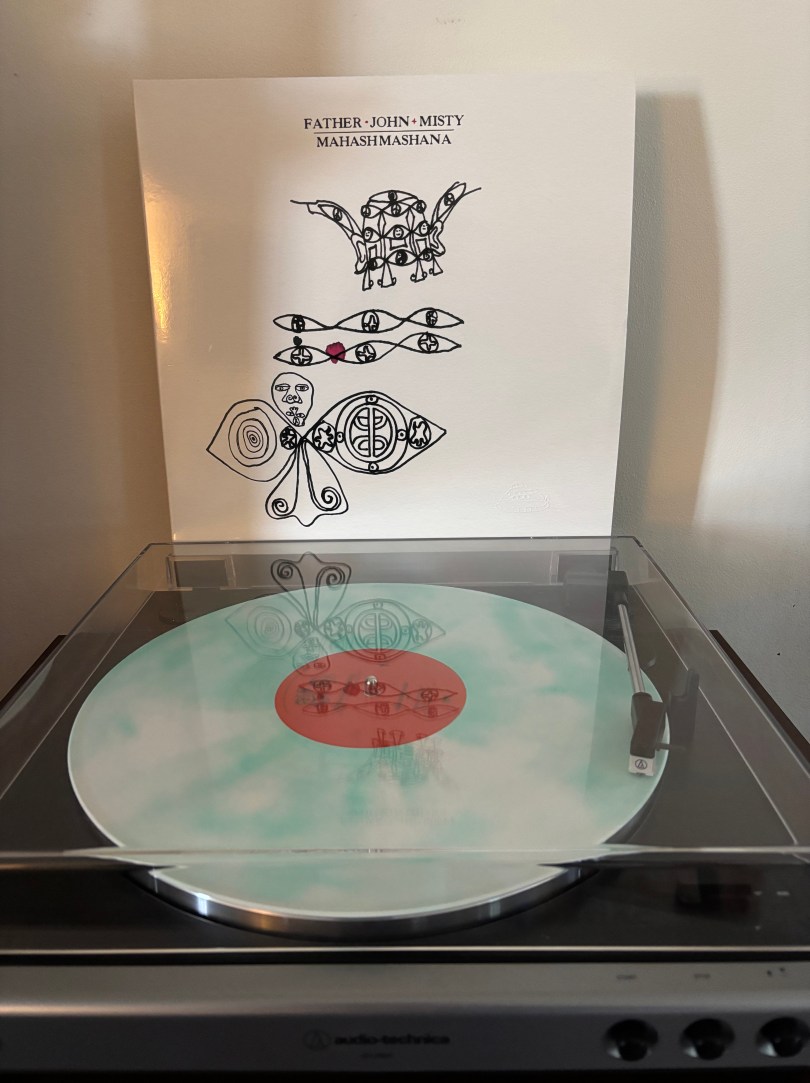
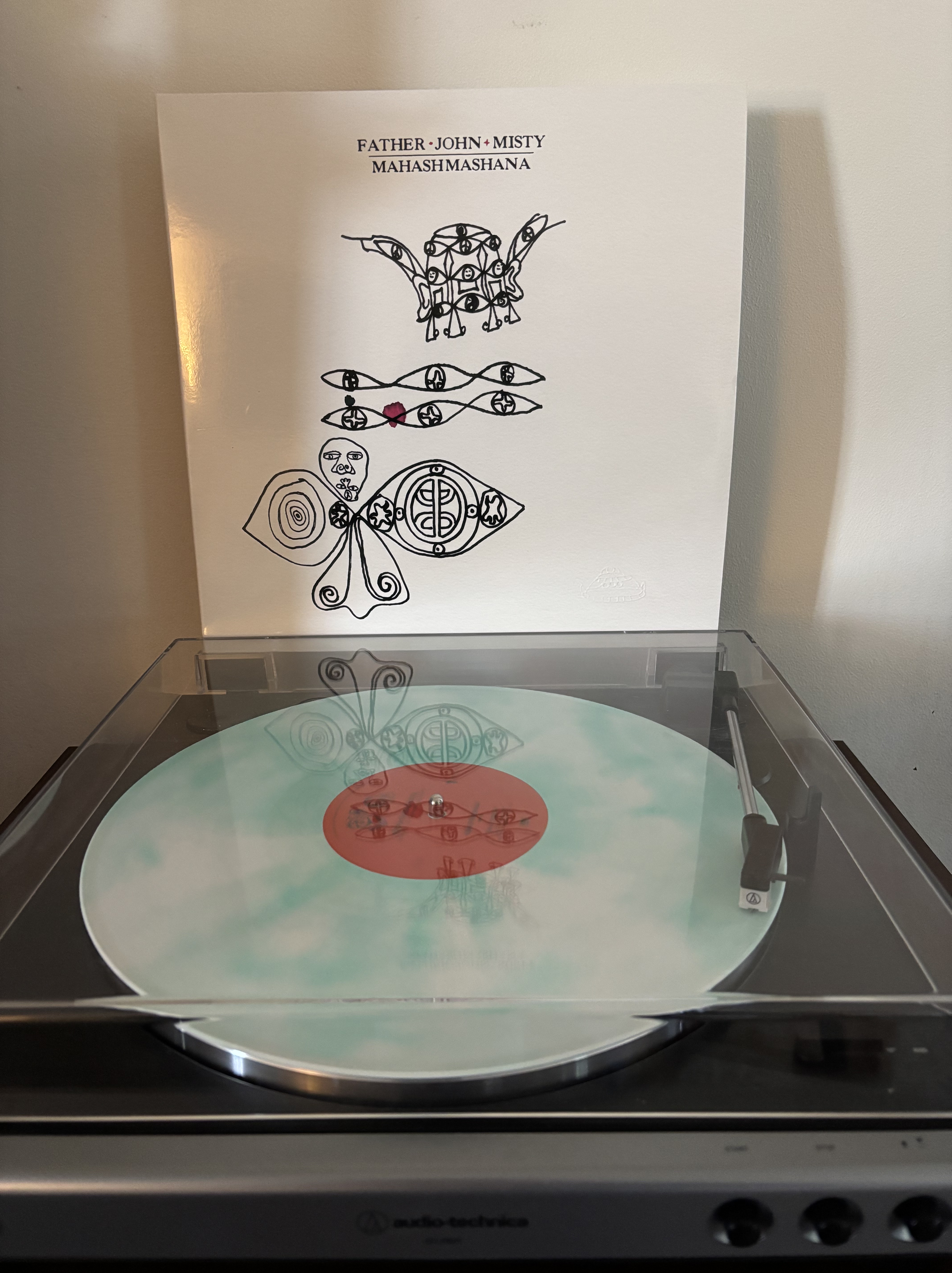
Earlier this year, little blips on social media had me under the impression that new music was on the way from Father John Misty. When the Greatest Hits record was announced that featured a new single, I dismissed any further expectations that we’d see more music anytime soon, much less within the same calendar year. I found the follow up announcement of a full length LP quite the surprise. Won’t find me complaining, as Mahashmashana satisfies an itch with which I’d decided to simply live.
I came for the bite. Tillman’s scathing criticism laid out in lyrical observation brought me to the table with his 2017 record, Pure Comedy, yet I stayed for love songs capable of moving me. The crossroads of those two topics are a profound return to form that is comforting…and yet this direction feels like a place I haven’t been before.
The songwriting platitudes of indie folk-rock coupled with the smooth sensibilities of 70s pop comes at an intersection where Tillman shines brightest in spite of the often bleak lyrical content. It’s the juxtaposition of his bleakness with the relatable warmth of love and enduring curiosity that encompasses an experience that is both magical and true to life in the same moment.
The opening track, Mahashmashana, speaks on romance where one lover has passed away. Our subject is said to visit her lover twice a week, yet it took me a couple listens to understand her visits were to mahashmashana, which roughly translates to ‘great cremation ground.’ The conclusion of this song brings me to tears, as contemplating the finality of all things becomes a weight that presses me for an emotional reaction. To hear Tillman describe that, “They have gone the way of all flesh/And what was found is lost/Yes it is…” is a sentiment that has overwhelmed me more than once.
The instrumental composition of Josh Tillman and the Accidental Dose offers remarkable movements, as dynamics are used in the mix to highlight the uncertainty that accompanies the use of hallucinogens. In a performative style that reminds one of Lou Reed, Tillman admits that he “was treating acid with anxiety.” It terms of musicality and overall flow, it may be my favorite song on the record.
One such complication that comes with the territory of hallucinogenic drug use is one of self-reflection that can result in growth, but often offers little more than lost innocence. At the conclusion of this track, Tillman states, “I ate an ice cream/dazed in the street/but it never tastes quite as sweet/again…” This imagery and realization of time having passed and something lost (ice cream reflecting innocence of youth?) is a daunting thing to consider when I was once convinced I’d live forever.
I learned a new word while listening to Mental Health. A panopticon is, “a prison design concept created by J. Bentham in the 1700s (that) places prisoners’ cells around the outside of a circular design with a guard tower in the center.” This description of a particular style of prison then narrows focus to reveal the entire prison is…you. The question of identity and individual purpose is presented with music that feels like a sonic throwback to the theatrical heights of the 2022 record, Chloe and the Next 20th Century. The reflection, “The one regret that’s really pretty tough/Is knowing I didn’t go nearly far enough” enshrines the mood swing of an accomplished artist who feels it’s never quite satisfying, “For the true endeavor of your soul/To find the edge and, baby, go, go, go.” Our collective experiences in a hyper-individualistic culture are examined here in a way that reveals as much about you as it does about myself.
The final song, Summer’s Gone, breaks my heart with each listen, and reconfigures it with the healing properties of gratitude that comes with memory. It’s difficult to reconcile with the notion that, “against your will comes wisdom/and forty more years left ahead.” But the conclusion is so wonderful, as we pivot to some kind of hope…some optimism for having the memory at all, “but you eat a peach/or you skin your knee/and time can’t touch me.” That final line emerges from the tragic weight of what has been lost, and pushes back against the reflections made in the song about eating acid and ice cream. From this final moment I find myself suddenly grateful for every memory upon which I can reflect. The ice cream was wonderful…the sun that warmed me was beautiful…and the time we shared…all memories to be cherished while I still possess the faculties to remember. The highlights of memory…the peaks we chase…whether it’s the embrace of a lover, or the taste of an ice cream we had in youth…the impact lingers, and while memory informs us that it just isn’t like it was before, maybe that’s the veil of youth over our early experiences…I’m not sure anymore, but I am confident that because it must end, life is worth living…even if summer is gone and all that keeps me warm now are the memories of a life I appreciate.
Mahashmashana is my favorite record of 2024. A combination of the various musical strategies Tillman has applied to his songwriting over the years, there’s nothing here that feels stale or recycled. From compositions to lyrical content, may Tillman never peak. This record is worth a spin.
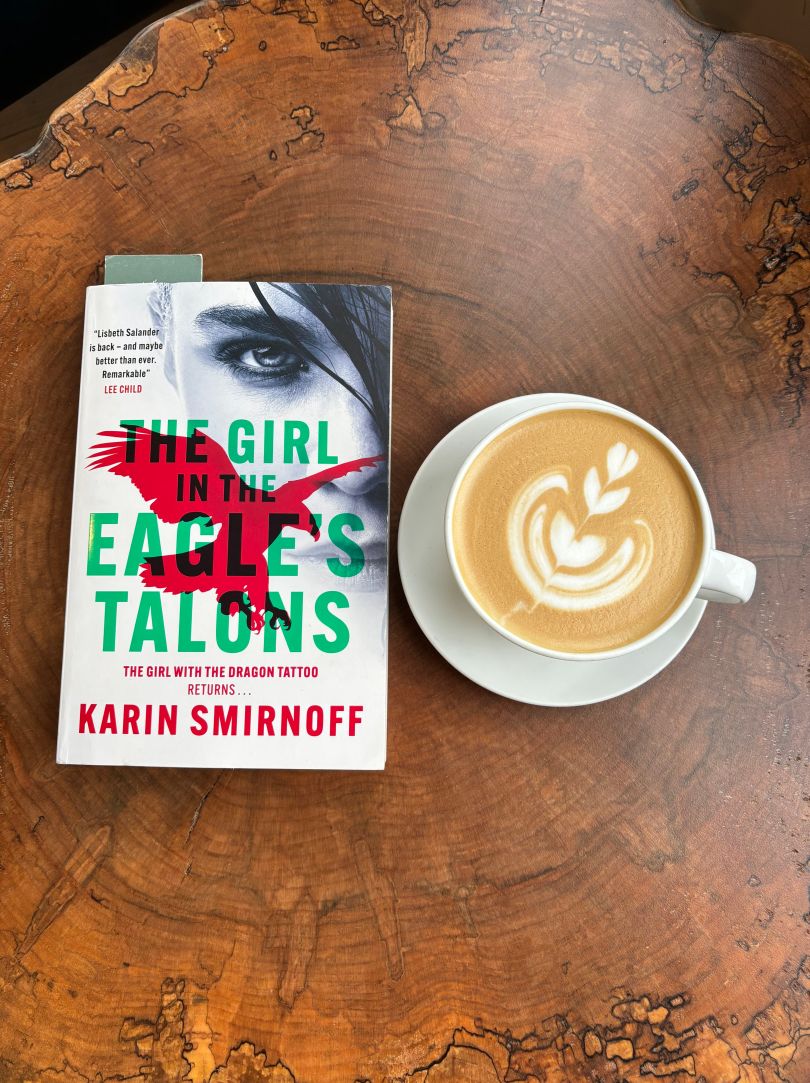
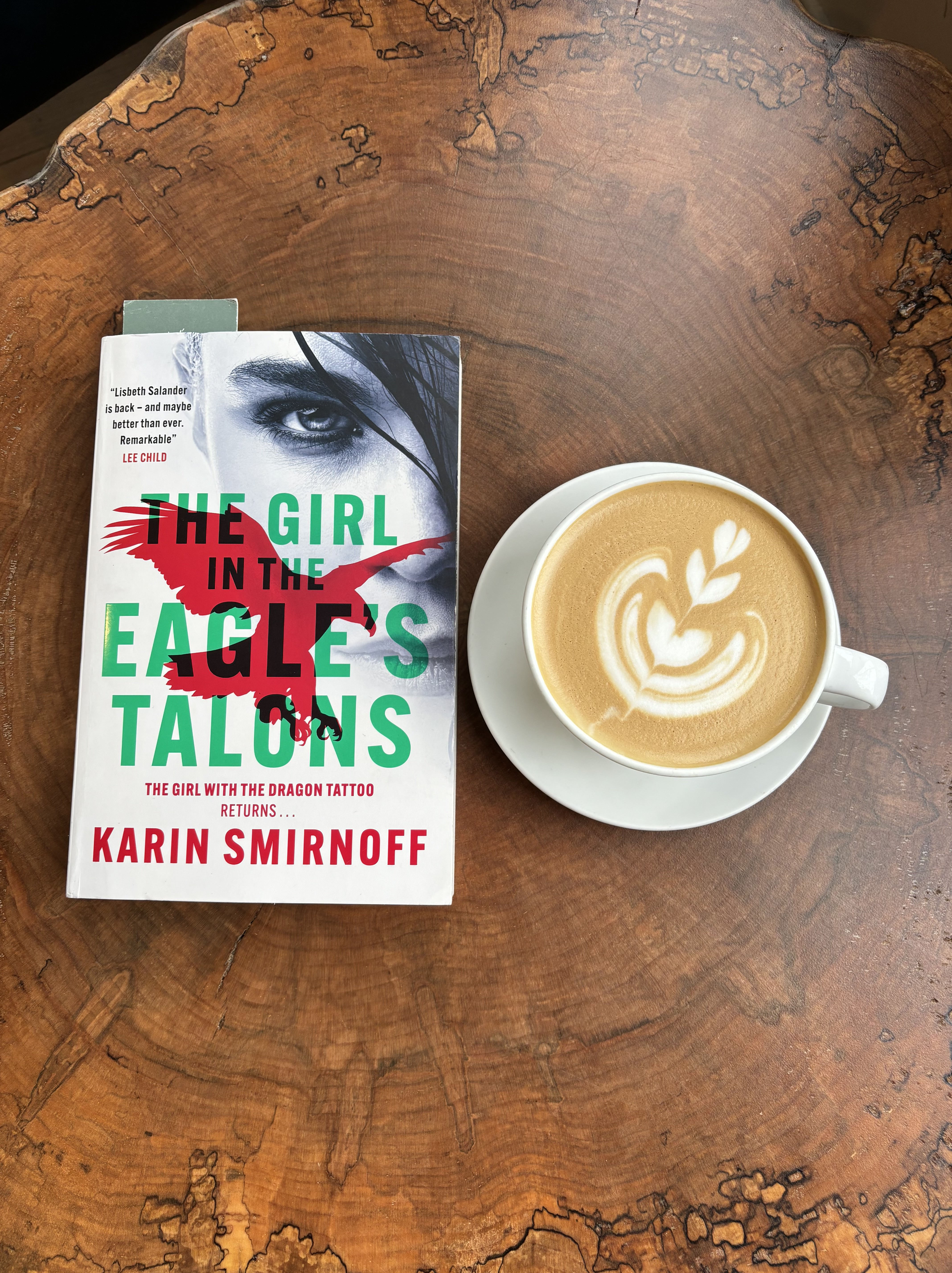
The Millennium Series has reached book seven with The Girl in the Eagle’s Talons. A new author has taken the reigns, and Karin Smirnoff has gone beyond my expectations with her first contribution.
Stieg Larsson’s initial vision for the series ran the course of ten novels, for which he had outlined. He turned in the initial trilogy to the publisher and died shortly thereafter. David Lagercrantz took up the series and ran a trilogy of his own, contributing more quality work that veered away from Larsson’s outlines. Karin Smirnoff offers a fresh take that maintains the quality storytelling while exploring critical analysis of characters that has resulted in growth. Lisbeth Salander has been seemed so human on the page, as Larsson and Lagercrantz sought to make her more of an enigma. Smirnoff’s interpretation of Salander has graced her with a personality (especially in her dialog, both internal and with other people) that had been lacking in previous novels for the sake of maintaining a persona shrouded in mystery.
There are bits of humor where I hadn’t noticed any in previous novels. Smirnoff uses her narrative voice to amplify the internal dialog of whoever is on the page in a given moment/scene. When an unruly man presents violent intent, Lisbeth intervenes to protect a friend and makes an observation…SIDE NOTE-I’m sitting in my living room…end of the night…knee deep in reading this book. I’m wearing the singular pair of sweatpants I own…the only pair I’ve ever owned-a gift I’ve had for less than a month…when I come across this line, “thank you God for making sweatpants the uniform of men with defective genes” (178). These thoughts are peppered throughout the novel and add to the narrative quality that brings these characters to life.
This more expressive Salander may be the result of a familial relationship where her bloodline isn’t out to kill her. Svala is a thirteen year old on the edge of being submitted to the foster care system in Sweden. Lisbeth is contacted and tasked with caring for the girl temporarily while the situation gets sorted out. It become clear Svala is in danger, and they’ve more in common than Lisbeth initially wants to admit. Lisbeth acknowledges that the relationship has upended her situation. “Before, she only had herself. Having another person in your life pushes other things to one side” (172).
Another relationship that gets a closer examination than before is that of Mikael Blomkvist and his daughter, Pernilla. Blomkvist has always been a distant lackluster father. His excuse is the same as it was for all the women in his life-that his work as a journalist was blatantly more important. He’s a grandfather now, and his publication is no longer in print…this identity crisis allows him to make room in his life for other people, but it seems a little late to mend these bridges, as Pernilla struggles to accommodate an absent father who suddenly cares…if only a little bit more than before. Old hurt is made new once the action of the story puts stress on these characters, and I’m here for it.
The quality of the narrative voice is what makes this novel. While analyzing the motives of a would-be volunteered killer the narrative voice reflects a self-awareness that still chooses to do wrong, as Peder Sandberg considers that, “An individual always has choices. The destructive ones present themselves most readily because they do not require mutual understanding…whereas unconditional love, altruism and general compassion are acquired, and also take more energy” (324). Another favorite observation focuses on a vulnerable moment with Svala. It’s shown to a voyeuristic audience the way she cries, “In silence so nobody can hear. A valve that opens, lets the excess pressure hiss out and then closes again” (124). These excursions through the thoughts other people can’t quite express is a highlight of this book. A cleaner tasked with killing for hire, has a crisis of conscience as he, “pours himself another drop of whisky and gathers his words. He has never said them out loud. But they have always been playing, like a record that never ends” (279). Whether it’s a matter of choice, sorrow, or selective words, there’s a performative aspect to the things people can’t do in front of others that is shown in a way that reveals the humanity of everyone who is subject of this narrative voice.
I fell in love with the characters and story world. It’s kept me coming back, and I tend to prefer standalone novels. I’ll occasionally check out a sequel or series, but this is the only series of this length I’ve read, and will continue to read…especially if Smirnoff continues to be at the helm. This is a fun read, full of quality.
Tragedy is the genre element that attracts me with the strongest gravitational pull. I live for stories that impact me with such force that I’m left doubled over in sorrow…makes me feel alive, and all that. But what of the aftermath? What of grief?
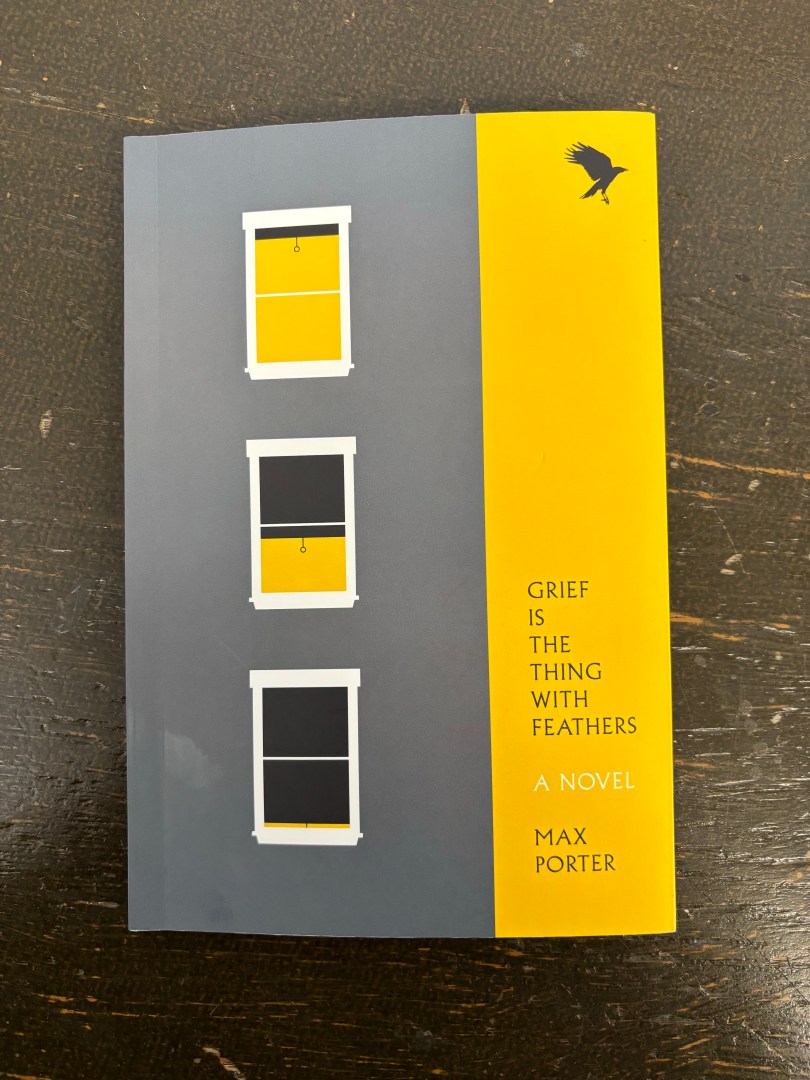
Most novels from modernity onward, have a tendency to include past events that haunt the present, making any future an impossible prospect. ‘Grief is the Thing with Feathers’ begins after the sudden and unexpected passing of an unnamed woman and does a great deal of perspective jumping between her widower, their two children, and a crow that visits and refuses to leave until our widower is no longer ‘helpless.’
The crow could’ve been any supernatural specter of sorts, but Max Porter’s decision to make this entity a crow reminds me of Poe’s ‘The Raven.’ Instead of encouraging madness in the face of loss, the crow seeks to comfort our widower by forcing him to deal with the discomfort in whatever dose he feels appropriate to administer in any given moment. The crow also seeks to protect the family from various demons (real or imagined) that would cause them to wallow in despair.
It reads more like a thematic collection of poetry than a traditional novel, but the narrative arch is solid, concise, and I feel like old friends with characters whose names are never given.
‘Grief is the Thing with Feathers’ is a fundamental exercise in loss, and is one of the most authentic expressions of grief I’ve read in fiction in some time. When the crow grants himself permission to leave, he refers to the boys as, “Connoisseurs…of how to miss a mother/My absolute pleasure” (110). In deriving pleasure in guiding them through grief, the crow makes clear his purpose: coaching on how to functionally live, without.
The novel concludes with the father and sons spreading ashes at a body of water. I was left broken by the line, “I said her name/The ashes stirred and seemed eager so I tilted the tin and I yelled into the wind/I LOVE YOU I LOVE YOU I LOVE YOU” (114). With this, I’ve learned that grief hits just as hard as tragedy, itself. It lingers long after the explosive event that changes lives, and shapes you into something different than what you were, before.
‘Grief is the Thing with Feathers’ is the second book to make me cry, this year.
You’re never obligated to be a fan when a friend makes a piece of art. I hold that uncomfortable truth close to my heart as a means of protecting myself. In spite of this, I find myself giving a chance to anything a friend produces…just the kind of consumer I am.
Noah Nichols is a friend of mine, so up front is an admission of bias. We met in 2007 when his band came to record at a studio where I was interning. We lost touch after that, but somewhere around 2016 he stumbled upon one of my books and remembered who I was. We became friends over our shared pursuits and he has edited two pieces of my written work.
Aside from writing and music, Noah has decided to embark on the medium of film. He spent a great deal of time making this movie in the midst of personal turmoil; a second upheaval of his life in as many years had landed him in depression. He threw himself into this project as a means of staying distracted, and it worked to a degree. This film project outright consumed him. When he announced the premier, I made plans to be there.
Lonely Legend is a movie that follows a would-be serial killer simply named Impervious. This masked character is tasked with carrying on the family tradition of surfacing in a fifteen-year cycle to hack and slash his way through a small town. His father before him had been this killer, but the torch isn’t so easily passed.
Our contemporary Impervious wants to live up to familial expectations. He wants to be this killer, but every little interaction with a would-be victim brings out empathy that prevents him from being violent. When simply asked what he’s doing with a crowbar, or waved at from the side of the road, Impervious drops the façade and recoils.
Impervious has pressure put on him by his family. At one point he tells his father over the phone, “I’d rather take care of animals than kill people.” This admission is dismissed as being irritably hungry, but as the film continues it’s all too clear that this incarnation of Impervious isn’t up to the task.
The only notable violence in the film is our main character letting off steam on a teddy bear or inflatable toy he carries around with him for companionship. These instances reveal our would-be killer can separate his projection of friendship onto an object from the real people he cannot bring himself to harm, in spite of the genuine care he has for these inanimate companions.
Impervious holds a lot of anger over expectations placed on him to continue on with family tradition, when all he seeks out is a more peaceful experience. He goes on walks with nature, lets out his aggression in ways that don’t hurt others, plays music/indulges in art, and gives himself permission to, “go to a field and be sad.”
There’s a longing for something more than the predetermined horrors that are expected of him. He breaks into a number of houses when no one is home, presumably to follow through on his “mission,” yet he can’t seem to follow through.
There’s comedy as well. Situational mishaps arise as Impervious tries to find himself while out and about. It bridges the gap and showcases a most human experience from a character built to be a monster.
The soundtrack was fantastic. Music helped to convey the mood perfectly, and while Noah could’ve filled out the film with his own music, he pulled resources from every direction as a means of conveying the mood as it fit his vision.
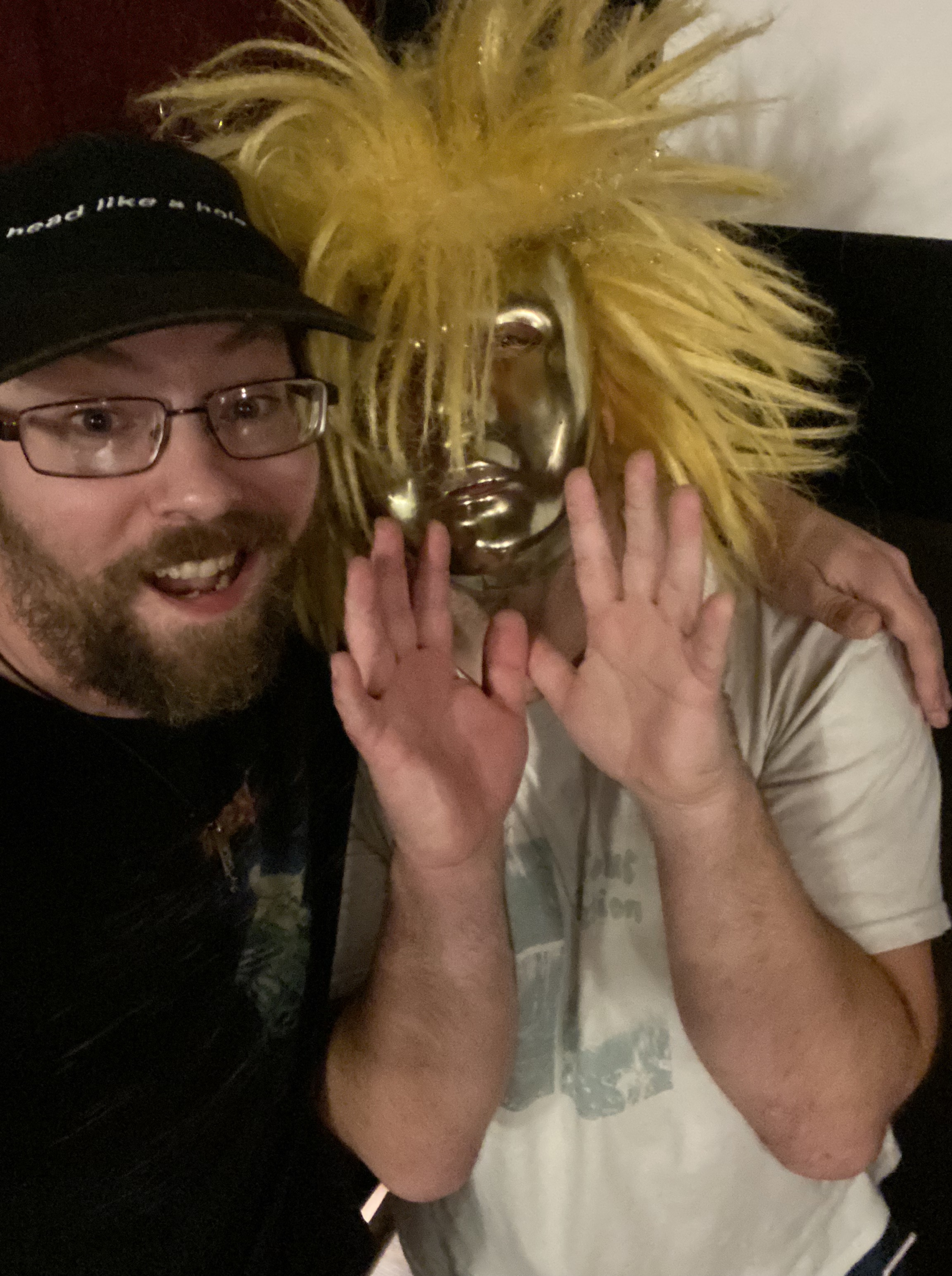
Pictured: Myself with Impervious (Noah Nichols) at the premier of Lonely Legend in Columbus, Ohio.
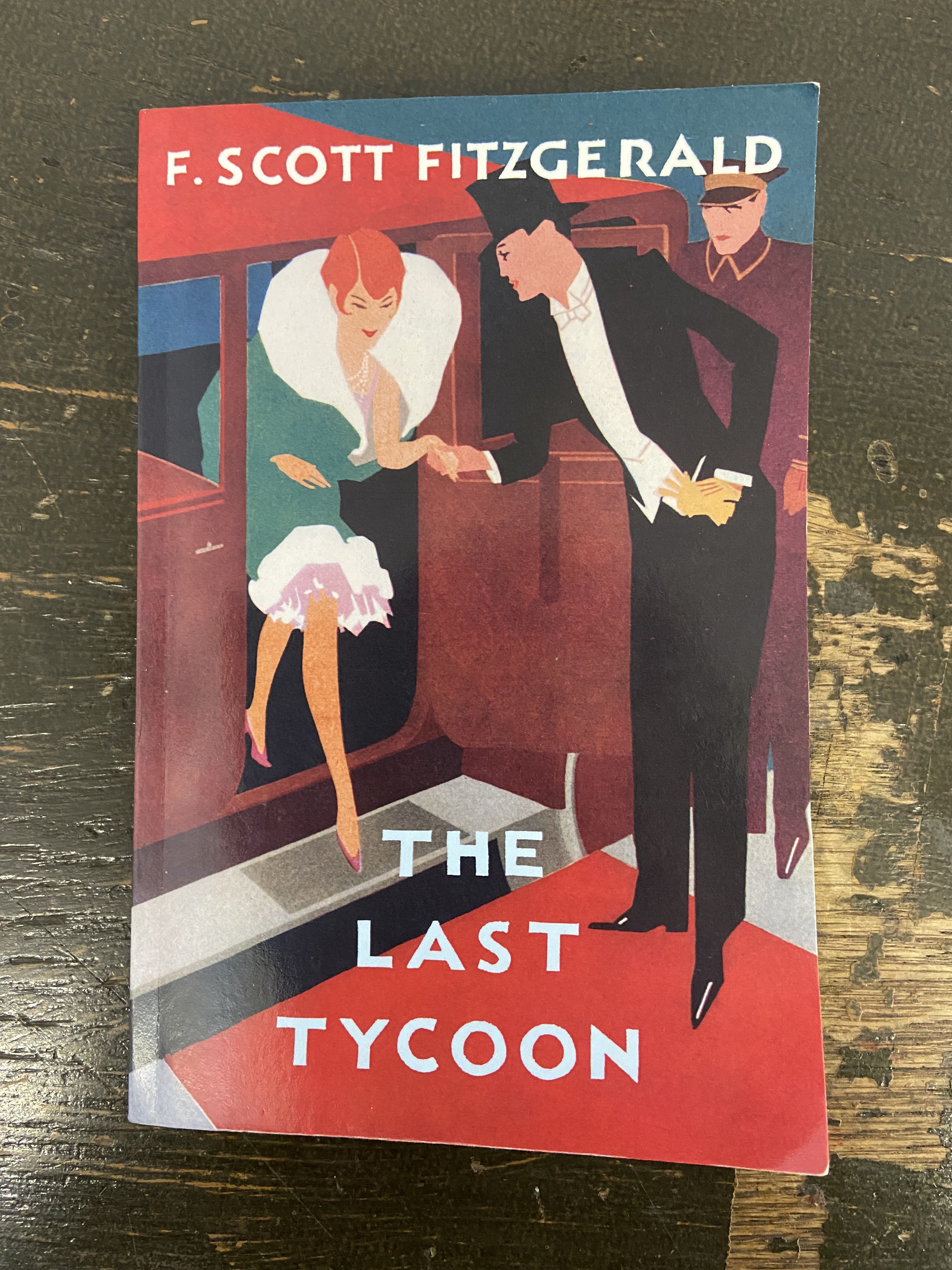
The prose of F. Scott Fitzgerald is intoxicating. It’s been a decade since I studied The Great Gatsby at Ohio State, and for the time being I’ve decided to put off rereading that novel until the 100-year anniversary of its initial publication. The Last Tycoon appeals due to the lure of a final novel, one last attempt to satisfy an itch with something new. The unfortunate truth is that the unfinished novel reads like a draft. It jumps on a dime between first and third person, and seems so rough in the early pages that I contemplated whether or not to finish it.
Monroe Stahr is an elite Hollywood producer who meets Kathleen Moore about halfway through the novel. The trademarked romance of Fitzgerald’s style captivates from that point onward, in spite of the questionable motives that attracts Stahr to Moore in the first place (her looks remind him of his deceased wife). Though the romance fizzles out as Kathleen is to marry another, Monroe carries on and the novel ends rather suddenly due to the death of the author and editorial overreach to reel in the narrative while maintaining a sense of conclusion while there is still quality material.
Stahr carries the weight of terminal illness, and pushes himself to keep working at the pace he maintained while healthy. It reminds me of a hyper-masculine work culture that romanticizes burnout and exhaustion over questioning why one lives in such a way. “Fatigue was a drug as well as a poison and Stahr apparently derived some rare almost physical pleasure from working lightheaded with weariness…a perversion of the life force he had seen before but he had almost stopped trying to interfere with it…a hollow triumph of killing and preserving the shell,” (110) seems all too commonplace in modern workplace culture. It isn’t ‘rare’ at all in the sense that keeping oneself preoccupied prevents them from critically looking inward. And yet, it’s romantic escapism that reminds one that they are alive…as, “the little trip they made was one of the best times he had ever had in life. It was certainly one of the times when, if he knew he was going to die, it was not tonight.” (112)
The theme of nostalgia runs through the work of Fitzgerald in such a way as to indulge in the waters in which one will inevitably sink, and reveal it for the comforting lies it tends to offer. The notion that one could have, “passionate loyalty to an imaginary past.” (119) defines Fitzgerald’s work and life. Reconstructing the past seems to be the only future a great many of us can imagine. How good was it really…? And yet…
One thing literature does is serve as a reminder how much or little things change over time. The tension between Hollywood producers and writers has brought on two writers’ strikes in the twenty-first century. All the conflict about living wages and being able to simply make ends meet while the profits of their labor makes others rich seems to be as old as the establishment of film making as big business. A line from The Last Tycoon shows how much the same it was then, “Writers…they’re the farmers of this business…They grow the grain but they’re not in at the feast. Their feeling toward the producer is like the farmers’ resentment of the city fellow.” (121)
Again, The Last Tycoon felt like a draft and not a complete novel, but it still managed to contain traces of magic that made it worth the read. I would’ve preferred a world where Fitzgerald lived long enough to finish this one to his standards, but I’m grateful for this glimpse into his process, as it reminds me of Trimalchio.
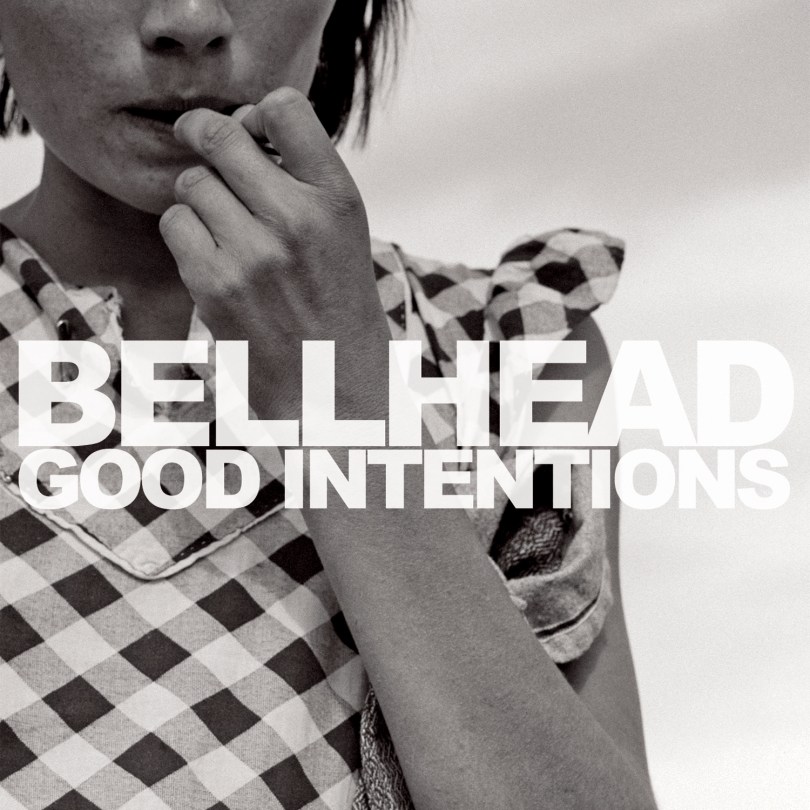
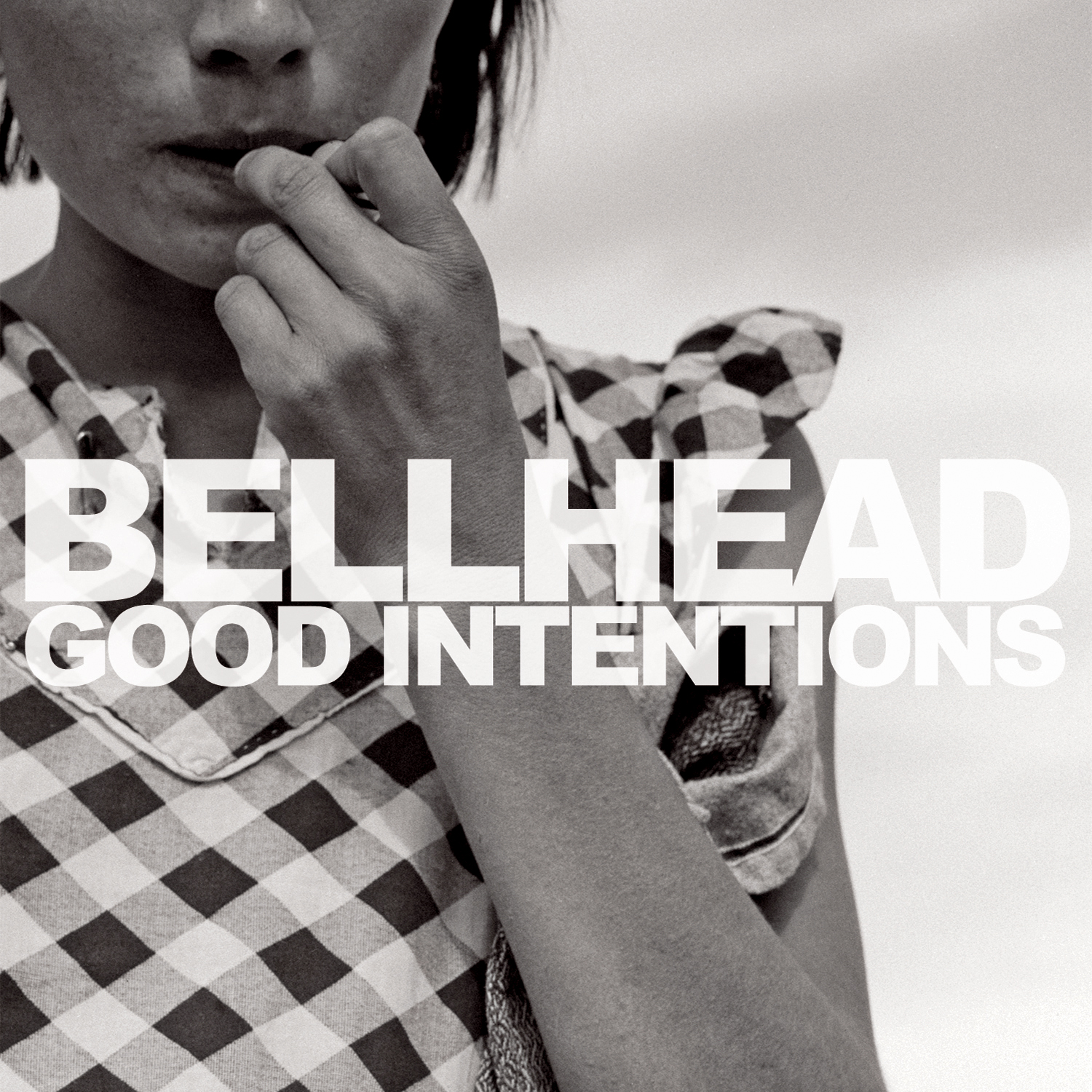
Bellhead is a post-punk duo from Chicago that brings the dirtiest bass lines and danceable tracks in their newest EP, ‘Good Intentions.’ To me, the name of the EP comes layered in sarcasm, as the stories told through music are delivered with evil intent. Stalkers, sirens at sea, and pure nihilistic fun have brought me to understand the intent is not so comforting. Though elements of pop are embraced in the songwriting, the production maintains a minimalist approach that rejects fillers/unnecessary walls of sound.
The opening track Bad Taste introduces the EP with a four on the floor beat and low guttural vocals that describe the individual in question, “he says he’s a good man, doesn’t make it true” and “does he only want what he can’t have?” Even with the subject matter of stalking, I want to get up and dance to this. The chorus guitars contain an unexpected surprise that remind me of the atmospheric quality of various Nine Inch Nails tracks.
The second song opens with guitars that pivot to a different effect once the verse begins, and the mood is that of a classic horror movie. Into the Deep stirs a haunting narrative that conjures the imagery of water as destroyer. If the potential for surf rock is found here, we’re likely to drown. The bridge hits with spoken word and rounds out the song to something akin to hope as the siren is pursued.
Valentine is my personal favorite on the EP. The narrator seems to be pleading with a lover in what seems to be both romantic and tragic in the same breath. The music moves with a particular gothic sway that reminds me of Crying Vessel, and the lyrics are poetry.
Apathy kicks off with distorted guitars and asks ‘so what?’ in a nihilistic way that brings a smile to my face. The admission that ‘it doesn’t matter’ resonates in me a sing-along quality that makes this song an anthem. Crank this one for that righteous punk goodness.
The Love and Rockets cover No Big Deal is pure Bellhead fun. Their take on the song sounds like their own authentic work, which is what quality artists do when they seek to cover a song. The distorted bass shapes the song into something that fits in with their catalog perfectly.
‘Good Intentions’ closes with Drugstore Keri. This song tells the romantic tale where Keri is more of an enabler than love interest. The dirty bass makes for curled lips and movement on the dance floor. The concluding song feels like a cold drink of classic rock, and I love it.
This EP is worth a spin. If you enjoy post-punk songwriting grounded in the potential to dance, Bellhead is definitely something to consider. ‘Good Intentions’ will leave you craving more of the bad taste it’s gonna leave in your mouth. My only complaint is that I want more!


 Justin Bauer